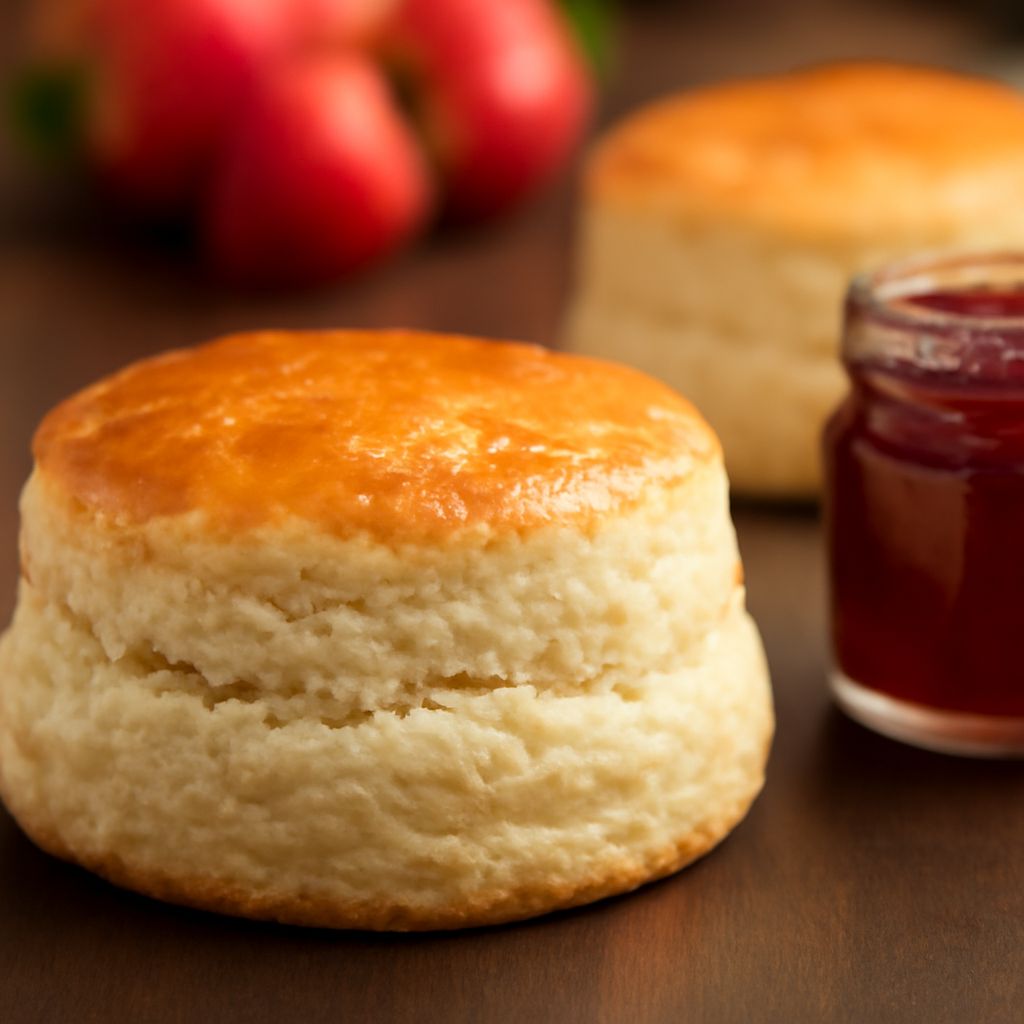
Embark on a delightful journey to the heart of British culinary traditions with an authentic English scones recipe. Perfectly golden and slightly crumbly, these scones are a staple in every British household. Whether enjoyed during afternoon tea or as a simple indulgence, mastering this traditional British scone recipe will elevate your baking repertoire.
In this guide, discover how to make the perfect English scone with our step-by-step instructions. You’ll gain hands-on experience in crafting these delectable treats, ensuring each batch is just as delightful as the last. Let’s dive into the art of British scone making!
Introduction to English Scones
What Makes English Scones Unique?
English scones are cherished for their tender crumb and slight sweetness, distinguishing them from their American counterparts. Unlike the dense and sugary American scones, British scones are lighter, serving as the perfect canvas for toppings like clotted cream and jam.
A Brief History of British Scones
Originating in Scotland, scones have been a part of British baking traditions since the early 1500s. Over time, they evolved into the beloved treats we know today, often associated with the ritual of afternoon tea.
Essential Ingredients for the Perfect English Scone Recipe
Flour: The Foundation
To achieve the characteristic texture, use self-rising flour. Its pre-mixed baking powder ensures consistent rise and fluffiness in every batch.
Choosing the Right Butter
For a rich flavor, select unsalted butter. Cold butter, when cut into the flour, creates small pockets that result in a flaky texture upon baking.
The Role of Baking Powder
Baking powder is crucial for the scone’s rise. Ensure your baking powder is fresh to guarantee the perfect lift and airy interior.
Milk and Eggs: Binding Agents
Whole milk and eggs provide moisture and richness, binding the dry ingredients together. They contribute to the scone’s tender crumb.
Step-by-Step Guide to Making English Scones
Preparing Your Ingredients
Start by preheating your oven to 425°F (220°C). Measure out your ingredients: 2 cups of self-rising flour, 1/4 cup of cold unsalted butter, 1/2 cup of whole milk, 1 large egg, and 1 tablespoon of baking powder.
Mixing and Kneading the Dough
In a bowl, combine flour and baking powder. Add cubed butter, using your fingertips to rub it into the flour until it resembles breadcrumbs. Stir in the milk and beaten egg until a dough forms. Avoid overworking the dough to keep it light.
Shaping and Baking Your Scones
Roll out the dough to about 1-inch thickness on a floured surface. Use a round cutter to shape the scones. Place them on a baking sheet and bake for 12-15 minutes until golden and risen. Cool slightly before serving.
Tips for Serving and Enjoying British Scones
Classic Accompaniments: Clotted Cream and Jam
Traditionally, scones are served with clotted cream and jam. Spread a generous dollop of each on a warm scone for the ultimate treat.
Creative Serving Ideas
Experiment with different toppings, such as lemon curd or honey. You can also add sultanas or currants to the dough for a fruity twist.
Troubleshooting Common Issues with English Scone Recipes
Should your scones not rise as expected, ensure your baking powder is fresh and your oven is at the correct temperature. To prevent a dry texture, avoid over-kneading and ensure your butter is cold when incorporating.
Pro Tips Recap
Remember to use cold butter, fresh baking powder, and avoid overworking the dough for perfect English scones every time. Serve with clotted cream and jam to enjoy the authentic British scone experience!