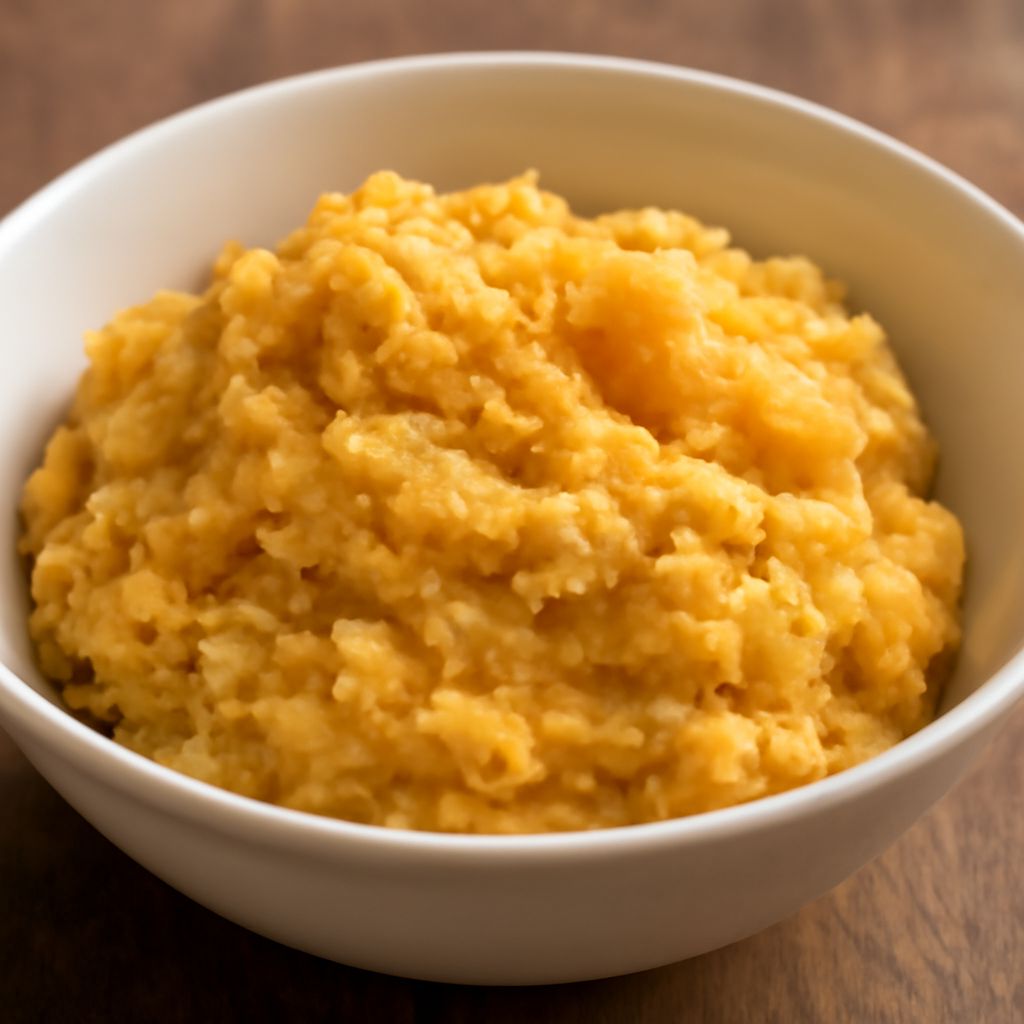
Reheating mashed potatoes doesn’t have to be a daunting task. In fact, with the right techniques, you can enjoy your leftovers just as much as the first time around. Experience the best way to reheat mashed potatoes and savor their creamy texture and delicious flavor without any compromise. Whether you use an oven, stovetop, or microwave, you’ll learn how to reheat mashed potatoes perfectly every time.
From understanding why reheating mashed potatoes can be tricky to exploring alternative methods, this guide covers everything you need. Embrace the joy of cooking by mastering these reheating techniques and make your mealtime effortless and enjoyable.
Why Reheating Mashed Potatoes Can Be Tricky
Understanding the Texture Challenge
Reheating mashed potatoes often leads to a less than ideal texture. You might find them drying out or becoming too mushy. The key challenge is maintaining the perfect balance of creaminess without making them soggy or overly dense. The potato’s starch content plays a significant role here, as it tends to absorb moisture rapidly. Understanding this will help you tackle the texture challenge head-on.
Preserving Flavor and Moisture
Another common issue is flavor loss. Reheated mashed potatoes can sometimes taste bland compared to their freshly made counterparts. To preserve their flavor and moisture, it’s essential to use techniques that lock in both. Whether you choose to add a splash of milk or a dollop of butter during reheating, these small adjustments can make a significant difference in retaining the original taste and moisture.
Best Way to Reheat Mashed Potatoes
How to Reheat Mashed Potatoes on the Stovetop
The stovetop method is highly effective for reheating mashed potatoes. Start by placing your potatoes in a non-stick pan over medium heat. Add a small amount of milk or cream to restore moisture. Stir constantly using a wooden spoon to prevent sticking and ensure even heating. In about 8 to 10 minutes, your potatoes will be warm and creamy.
Reheating Mashed Potatoes in the Oven
Reheating mashed potatoes in the oven is another excellent choice. Preheat your oven to 350°F (175°C). Place the potatoes in an oven-safe dish, cover with foil, and heat for 20 to 30 minutes. Stir halfway to promote even warming. This method is ideal for reheating large batches and keeps the potatoes from drying out.
Alternative Methods for Reheating Mashed Potatoes
Using a Microwave
For a quick solution, the microwave can be your best friend. Transfer the mashed potatoes into a microwave-safe bowl, cover with a damp paper towel, and heat in 1-minute intervals. Stir and check the temperature after each interval. While not the best way to reheat mashed potatoes, it’s efficient for small quantities.
Trying a Slow Cooker
The slow cooker offers a gentle option for reheating mashed potatoes. Simply place them in the cooker, add a bit of butter or cream, and set on low for 1 to 2 hours. Stir occasionally. This method ensures a slow and even reheating process, helping to retain the flavor and texture without requiring constant attention.
Tips for Storing and Reheating Leftover Mashed Potatoes
Proper Storage Techniques
Proper storage is vital for maintaining the quality of your mashed potatoes. Allow them to cool completely before transferring to an airtight container. Store in the refrigerator for up to 3 days. Freezing is an option too; just ensure the potatoes are packed tightly without air gaps to prevent freezer burn.
Reheating Mashed Potatoes Safely
Ensure safe reheating by checking the internal temperature of your potatoes, which should reach 165°F (74°C) to be safe for consumption. Also, reheating only once is recommended to prevent the growth of harmful bacteria. Employing these safety practices ensures your mashed potatoes remain both delicious and safe to eat.
Key takeaways: Mastering the art of reheating mashed potatoes involves balancing texture and flavor. The stovetop and oven methods are the best ways to reheat mashed potatoes, while the microwave and slow cooker provide convenient alternatives. Proper storage and safety procedures are essential for enjoying leftovers without compromise.