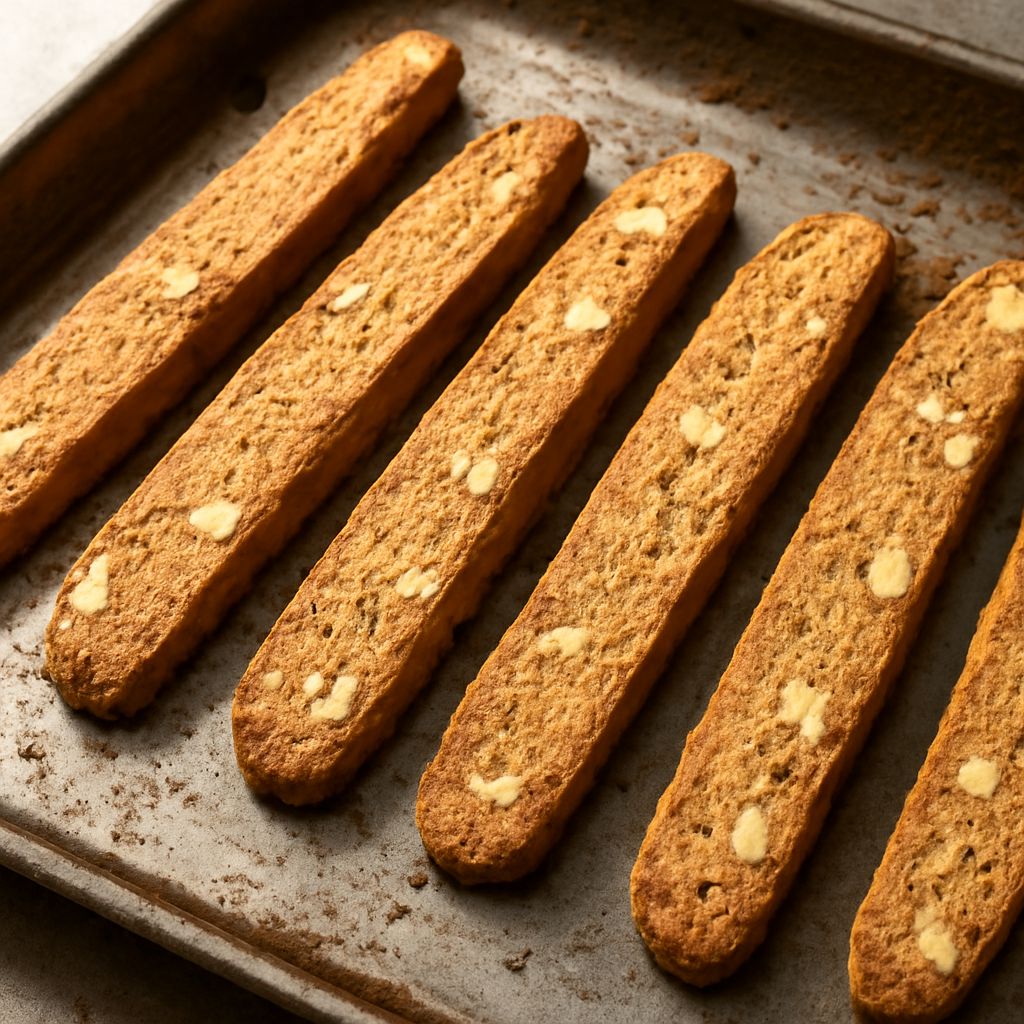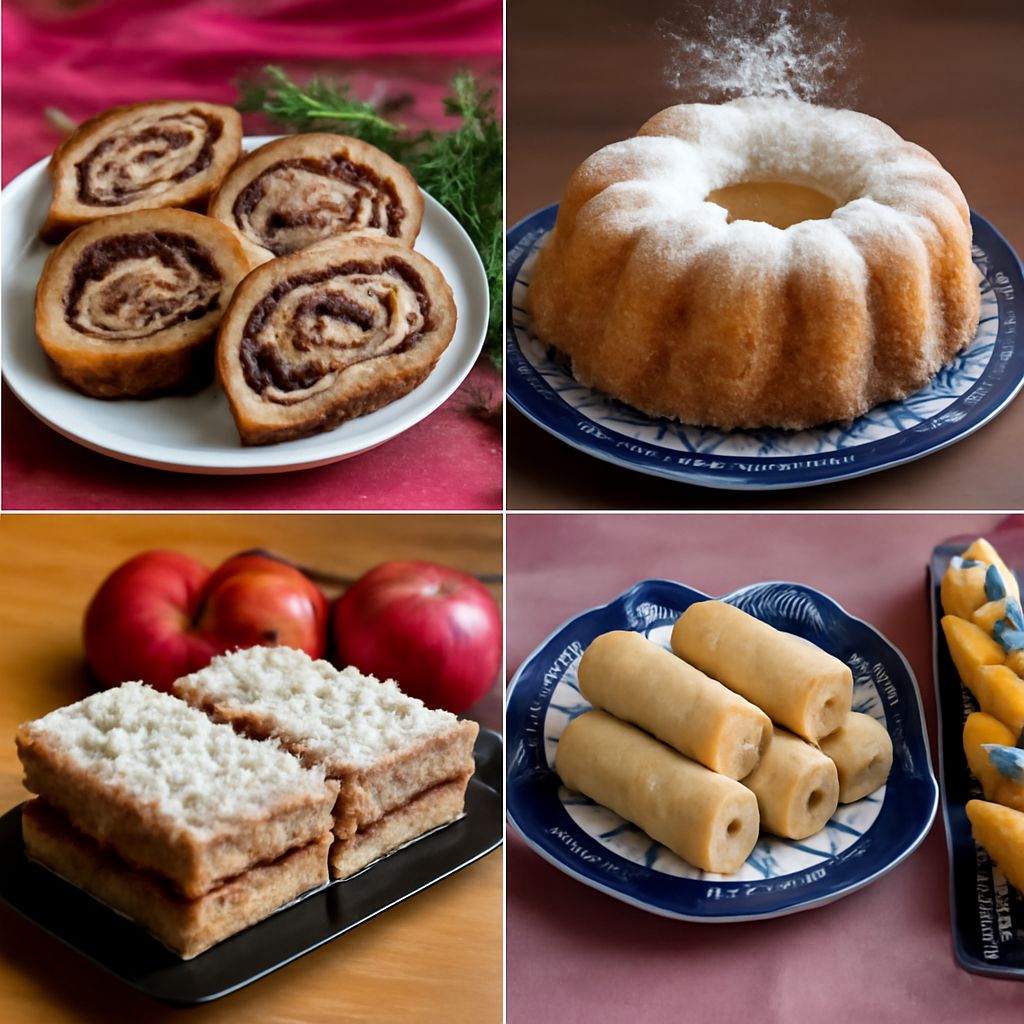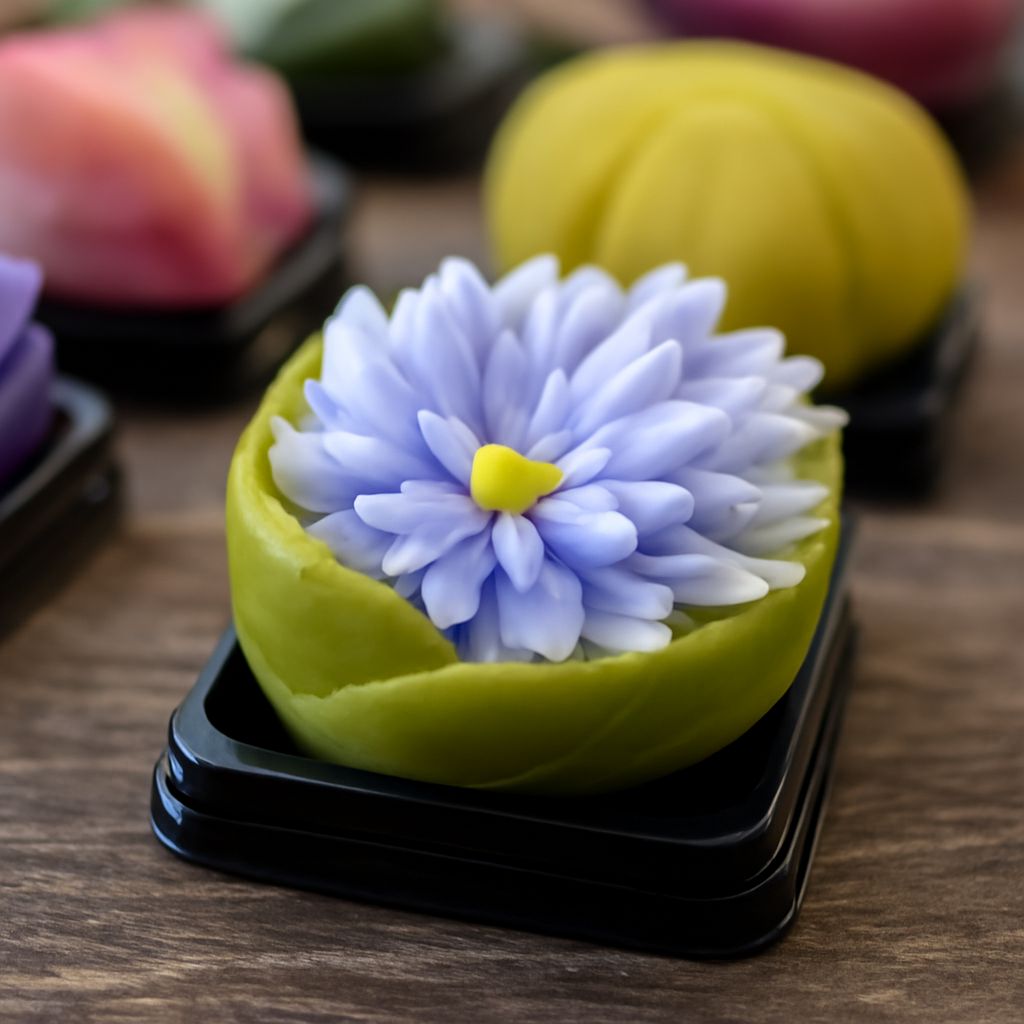
Embarking on a journey through Japanese dessert culture is like opening a treasure chest of flavors, textures, and visual delights. Whether you are a seasoned dessert enthusiast or a curious newcomer, the realm of Japanese sweets promises endless delight. Enjoy the balance of flavors found in traditional Japanese desserts and indulge in the creative flair of modern Japanese pastries, ensuring a treat for every palate.
From the chewy delight of mochi to the fusion flavors in Japanese pastry, each dessert promises a unique experience. Let’s discover these delicious sweets and perhaps inspire your next culinary adventure.
Introduction to Japanese Desserts
What Makes Japanese Desserts Unique?
Japanese desserts stand out due to their delicate balance of sweetness and subtlety. Unlike Western desserts, which often prioritize sugar, Japanese sweets focus on highlighting the natural flavors of their ingredients. This restraint is what makes them uniquely satisfying and refreshing.
Texture also plays a crucial role. Japanese desserts often incorporate chewy, soft, and creamy textures, creating an engaging sensory experience. This emphasis on texture and nuanced flavors is a hallmark of traditional Japanese desserts.
Popular Ingredients in Japanese Desserts
Some of the key ingredients that define Japanese sweets include rice flour, red bean paste, and matcha (green tea powder). Rice flour is essential in making mochi, lending its signature chewy texture. Red bean paste, used in many desserts like dorayaki, provides a sweet, earthy flavor that contrasts beautifully with the other elements.
Matcha, with its vibrant green color and distinctive taste, adds a touch of sophistication and depth. Other ingredients like sweet potatoes, yuzu, and black sesame seeds contribute to the rich tapestry of flavors in Japanese desserts.
Traditional Japanese Desserts
Mochi: The Chewy Delight
Mochi is a beloved traditional Japanese dessert known for its unique texture. Made from glutinous rice, it is pounded into a paste and then molded into shape. Mochi can be enjoyed on its own or filled with sweet fillings like red bean paste or ice cream.
One of the most popular varieties is daifuku, which is mochi filled with a sweet center, often a combination of red bean paste and seasonal fruits. Mochi symbolizes celebration and is commonly enjoyed during special occasions.
Dorayaki: Sweet Pancake Sandwiches
Dorayaki consists of two fluffy pancakes enveloping a sweet filling, usually red bean paste. These pancake sandwiches are a classic example of the delightful fusion of ingredients found in traditional Japanese desserts.
The pancakes are subtly sweet and tender, providing a wonderful contrast to the rich, smooth filling. Dorayaki is often enjoyed as a snack or dessert and is loved by people of all ages.
Modern Japanese Pastries
Fusion Flavors in Japanese Pastry
Modern Japanese pastries showcase a creative blend of traditional recipes and new influences. This fusion of flavors results in unique and delightful creations. For instance, matcha croissants combine the flaky, buttery texture of French pastry with the earthy, aromatic flavor of matcha.
These pastries not only taste amazing but also often feature intricate designs and vibrant colors, enhancing their appeal. The creativity and innovation in modern Japanese pastries ensure they remain a favorite among dessert enthusiasts worldwide.
Popular Japanese Pastries Today
Today, some of the most popular Japanese pastries include melonpan, a sweet bread with a crispy outer layer, and taiyaki, fish-shaped cakes filled with red bean paste or custard. These treats are commonly found in bakeries and street stalls across Japan.
Japanese pastry chefs continue to push boundaries, incorporating local ingredients and international influences. The result is a wide array of pastries that cater to diverse tastes while maintaining a distinctly Japanese essence.
How to Make Your Own Japanese Dessert
Simple Recipes to Try at Home
Making your own Japanese dessert at home can be a rewarding experience. Start with simpler recipes like mochi or dorayaki. For mochi, mix glutinous rice flour with water and sugar, steam until translucent, and shape into balls. Fillings can vary from red bean paste to fresh fruit or even ice cream.
For dorayaki, prepare pancake batter, cook the pancakes until golden brown, and sandwich red bean paste between two pancakes. These recipes are straightforward and allow room for personal touches.
Tips for Perfecting Japanese Pastries
When making Japanese pastries, attention to detail is crucial. Ensure you have the right ingredients, especially matcha, to achieve authentic flavors. Practice makes perfect, so don’t be discouraged by initial attempts.
Experiment with different fillings and flavors to find your preferred combinations. Whether you’re capturing the essence of traditional Japanese desserts or exploring modern flavors, patience and creativity are your best allies.
Next steps: Dive deeper into Japanese dessert culture by experimenting with various recipes and techniques. Attend workshops or online classes to refine your skills and share your creations with friends and family. Enjoy the sweet journey!