Embarking on a culinary adventure through Vietnam’s dessert culture promises to awaken your taste buds with a blend of flavors and textures like no other. Whether you’re craving a delightful pastry or a refreshing sweet soup, Vietnamese desserts offer a diverse array of treats that will undoubtedly satisfy your sweet tooth.
Discover recipes for Vietnamese sweets that bring the tradition and innovation of Vietnam’s rich culinary heritage right into your kitchen. From the popular bánh chuối to the intricate bánh da lợn, there’s a dessert for every palate. Dive into this exploration and embrace the cultural significance of these delectable creations.
Introduction to Vietnamese Desserts
The Rich History of Vietnamese Sweets
Vietnamese desserts have a long-standing history rooted in the country’s diverse cultural influences. From the introduction of rice and coconut milk to the utilization of tropical fruits, these sweets reflect a fusion of local and international flavors. The art of making these desserts has been passed down through generations, offering a glimpse into the past with each delicious bite.
Cultural Significance in Vietnam
In Vietnam, sweets are more than just a treat to end a meal. They are integral to celebrations, rituals, and festivals, symbolizing prosperity and happiness. Sharing desserts is a gesture of goodwill and hospitality, making them a vital component of Vietnamese cultural practices.
Popular Vietnamese Pastries and Sweets
Bánh Chuối: The Banana Cake
Bánh chuối, or banana cake, is a beloved Vietnamese dessert. It combines ripe bananas with rich coconut milk, creating a moist and flavorful treat. This cake is typically steamed, which enhances its unique texture. Enjoy it warm or chilled, often with a sprinkle of sesame seeds on top.
Chè: A Traditional Sweet Soup
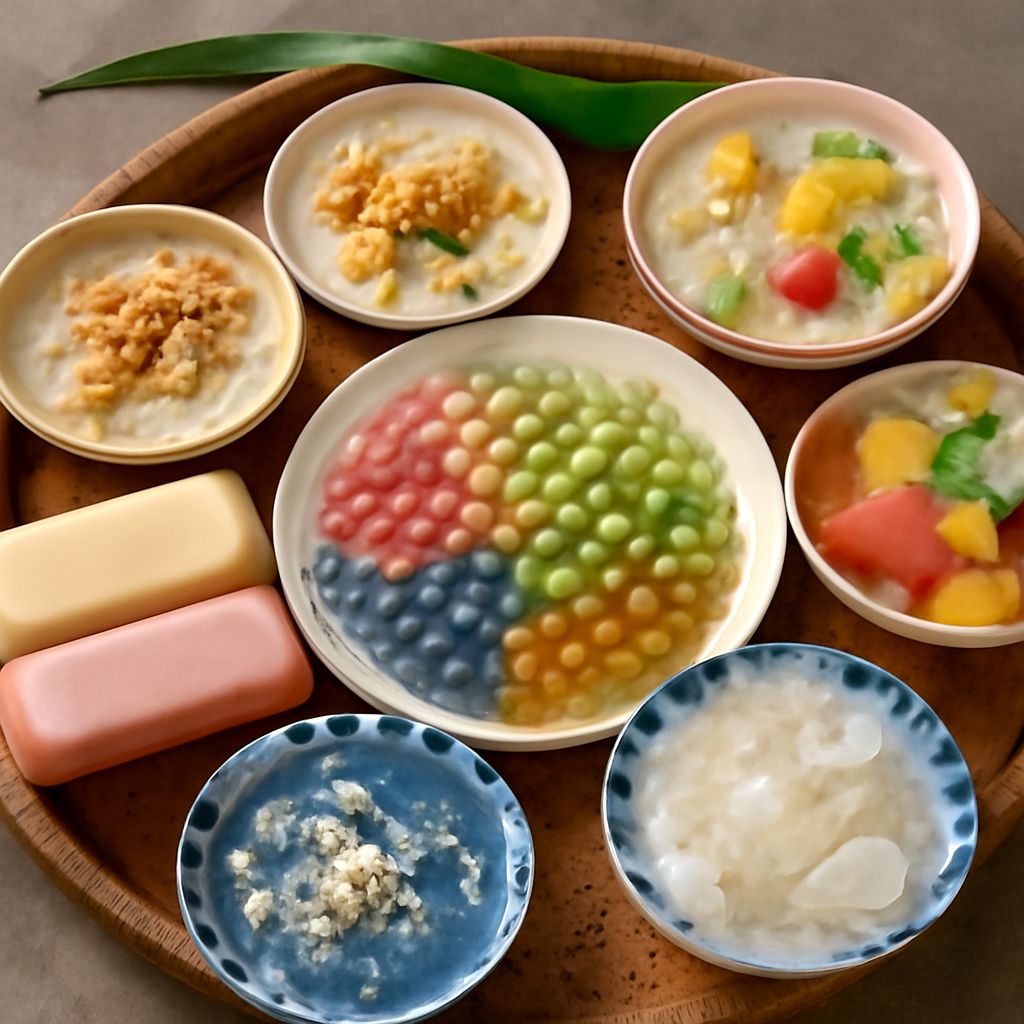
Chè is a versatile sweet soup that can be enjoyed hot or cold, making it a year-round favorite. Ingredients vary, including beans, jellies, and fruits, all simmered in a syrupy base. The diversity of chè recipes highlights the creativity and adaptability of Vietnamese dessert culture.
Bánh Da Lợn: Layered Pigskin Cake
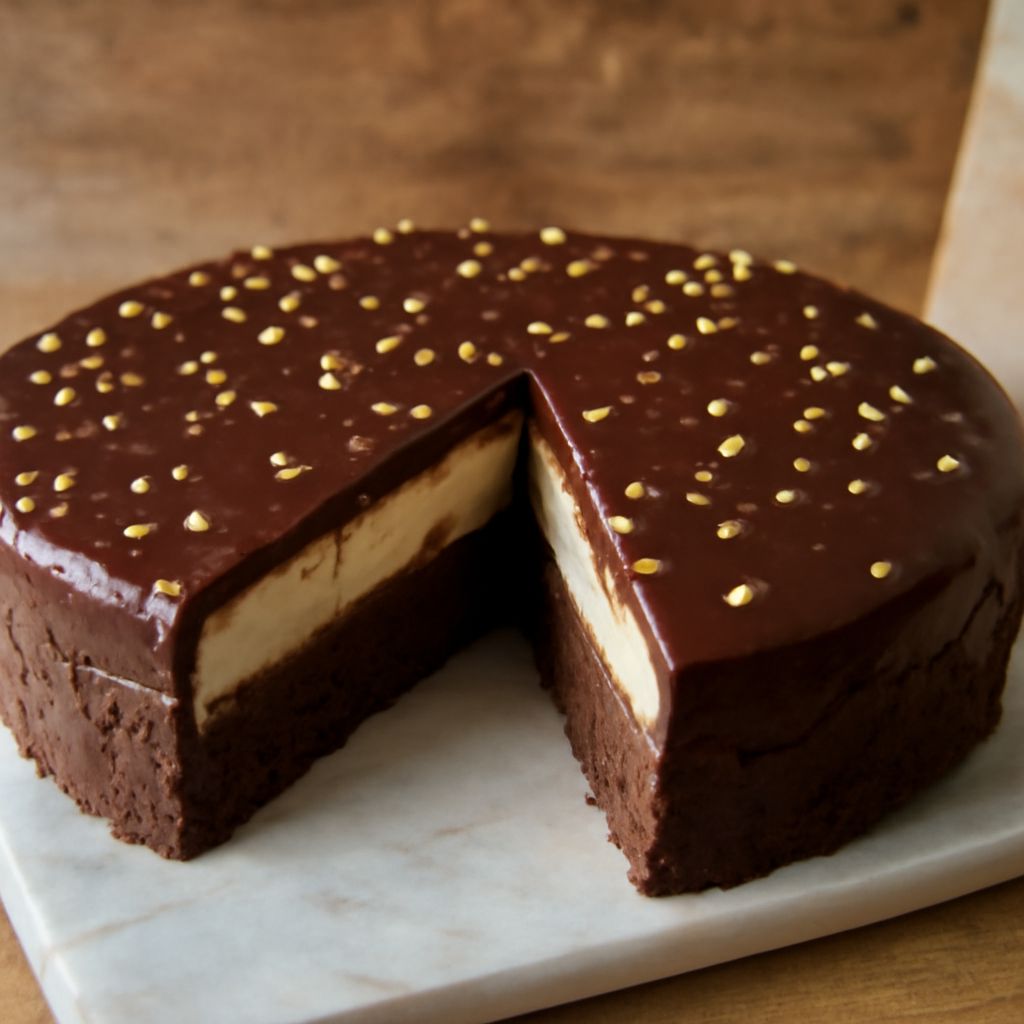
Bánh da lợn, known as layered pigskin cake, is an eye-catching dessert made from alternating layers of mung bean and pandan-infused rice flour. Despite its name, it contains no pigskin; the moniker refers to its texture. This cake is steamed to perfection, boasting a chewy yet firm bite.
Making Vietnamese Desserts at Home
Essential Ingredients for Vietnamese Baking
To recreate the authentic taste of Vietnamese sweets, stock your pantry with key ingredients like coconut milk, rice flour, mung beans, and tropical fruits such as bananas and jackfruit. These staples form the foundation of many traditional recipes.
Step-by-Step Recipes
Attempting Vietnamese desserts at home can be an exciting challenge. Start with a simple bánh chuối recipe: mix mashed bananas with coconut milk and sugar, pour into a mold, and steam for about 45 minutes. For chè, choose your favorite ingredients, combine them in a syrup, and simmer until everything is tender.
Tips for Perfect Vietnamese Pastries
Achieving the right consistency is crucial in Vietnamese baking. Use fresh ingredients to ensure vibrant flavors, and be patient with steaming times to achieve the desired texture. Experiment with different ingredient combinations to make each dessert uniquely yours.
Where to Find Vietnamese Desserts
Local Markets and Bakeries
For an authentic experience, visit local markets and bakeries where you can sample freshly made Vietnamese sweets. These bustling spots are often filled with the aroma of coconut and pandan, providing an immersive cultural experience.
Online Stores Offering Vietnamese Sweets
If you’re unable to visit Vietnam, online stores offer a convenient alternative. Many websites specialize in delivering traditional Vietnamese desserts to your doorstep, allowing you to savor these treats no matter where you are.
Conclusion: Embracing Vietnam’s Dessert Culture
Vietnam’s dessert culture is a testament to the country’s rich culinary heritage and creativity. By exploring these delightful sweets and pastries, you not only indulge your senses but also connect with Vietnam’s traditions and hospitality. Whether you’re making these desserts at home or exploring local markets, the sweet journey is one of discovery and enjoyment.
Key takeaways: Vietnamese desserts offer a unique blend of flavors and textures that reflect the country’s culinary traditions. From making desserts at home to discovering them locally or online, these treats promise an enriching and delightful experience.