Imagine a holiday season brightened by the rich aroma and warm flavors of a homemade dessert. This plum pudding recipe not only shows you how to make plum pudding from scratch, but it also brings a piece of tradition into your kitchen. With its blend of history and modern taste, this festive treat is a sure way to delight your family and guests, becoming a cherished part of your celebrations.
Explore traditional plum pudding recipes and uncover the secrets to crafting the perfect holiday dessert. With straightforward steps and helpful tips, you’ll master this beloved dish, adding your own unique spin to a classic tradition.
Introduction to Plum Pudding
History of Plum Pudding
Plum pudding, despite its name, contains no plums. The term comes from pre-Victorian times when “plums” referred to raisins. Originating in England, this dessert became a staple of Christmas celebrations, symbolizing warmth and festivity.
Traditionally, plum pudding was made weeks in advance, allowing the flavors to mature. The practice of stirring the pudding with a wish turned this recipe into a beloved family ritual, passed down through generations.
Why It’s a Holiday Favorite
This rich and fruity dessert is a favorite during the holidays because of its deep flavors and festive appearance. Infused with spices and often soaked in brandy, plum pudding makes an impressive centerpiece at any gathering. Its enduring appeal lies in its comforting taste and the nostalgia it evokes.
Traditional Plum Pudding Recipe
Ingredients Needed
To create an authentic plum pudding, you’ll need a selection of ingredients that provide depth and sweetness. Gather the following:
- 1 cup of raisins
- 1 cup of currants
- 1/2 cup of chopped nuts (almonds or walnuts)
- 1 cup of brown sugar
- 1/2 cup of breadcrumbs
- 1/2 cup of flour
- 1 teaspoon of baking powder
- 1 teaspoon of mixed spice
- 1/2 teaspoon of cinnamon
- 2 eggs, beaten
- 1/2 cup of melted butter
- 1/2 cup of brandy or rum
Preparation Instructions
Before you begin, ensure all ingredients are at room temperature. This helps in mixing the flavors evenly. Prepare a large mixing bowl and a pudding basin for steaming.
In a large bowl, combine the dry ingredients: raisins, currants, nuts, brown sugar, breadcrumbs, flour, baking powder, and spices. Mix well to distribute the spices evenly.
How to Make Plum Pudding Step-by-Step
Mixing the Ingredients
Incorporate the wet ingredients into the dry mix. First, add the beaten eggs, followed by the melted butter and your choice of brandy or rum. Stir the mixture thoroughly until it reaches a thick, consistent batter.
Once mixed, let the batter sit for about 30 minutes. This allows the dried fruits to soak up the liquids, enhancing the dessert’s moist texture and rich flavor.
Cooking and Steaming
Grease your pudding basin lightly to prevent sticking. Pour the batter into the basin, leaving about an inch from the top. Cover with parchment paper and a layer of foil, securing with twine.
Set up a steaming pot with water about halfway up the sides of the basin. Steam the pudding for 4 to 5 hours, checking the water level periodically. The pudding should be firm to touch and deeply fragrant when done.
Tips and Variations for Plum Pudding
Modern Twists on Classic Recipes
While traditional plum pudding is delightful, you might want to experiment with modern twists. Consider adding dark chocolate chips for an indulgent variation, or replace brandy with orange liqueur for a citrusy note.
For a health-conscious version, substitute some of the sugar with honey or maple syrup. You can also use gluten-free flour without compromising the texture.
Serving Suggestions
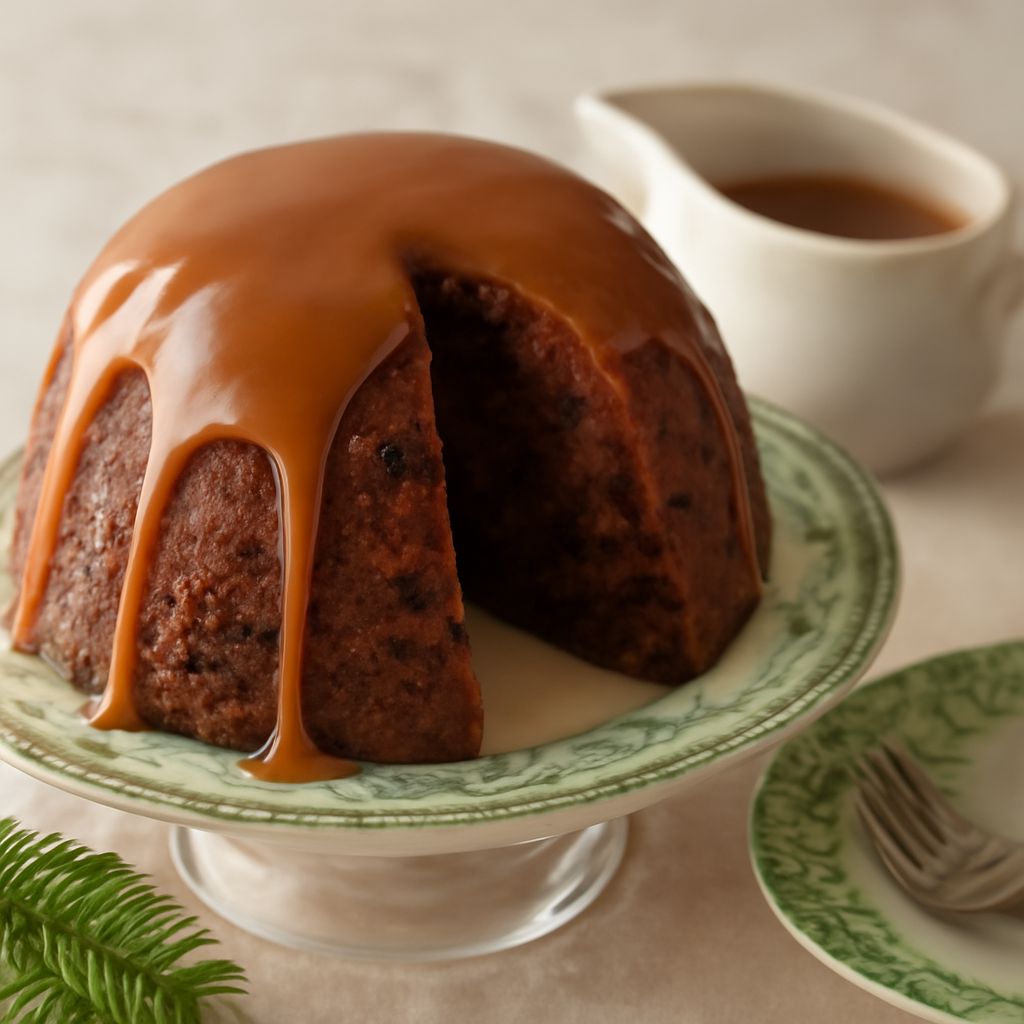
Serve your plum pudding warm, drizzled with a creamy brandy sauce or vanilla custard. For an added touch of festivity, flambé the pudding at the table by igniting a ladle of warm brandy and pouring it over.
An elegant presentation includes garnishing with holly leaves or dusting with powdered sugar to mimic snow.
Frequently Asked Questions
Common Substitutions
If you’re missing an ingredient, there are several substitutions available. Dried apricots can replace raisins, and apple juice can be used instead of alcohol for a non-alcoholic version. Adjust spices to suit your taste, keeping the essence of the dish intact.
Storage and Shelf Life
After steaming, allow the pudding to cool completely before wrapping it tightly in plastic wrap and foil. Stored in a cool, dry place, it can last for several months. Reheat by steaming before serving, ensuring it retains its moist texture.
Next Steps
Now that you’ve mastered how to make plum pudding, consider incorporating it into your annual holiday traditions. Experiment with new flavors and share your creations with loved ones. With practice, this festive dessert will become a delicious centerpiece of your celebrations, a delightful blend of history and culinary creativity.