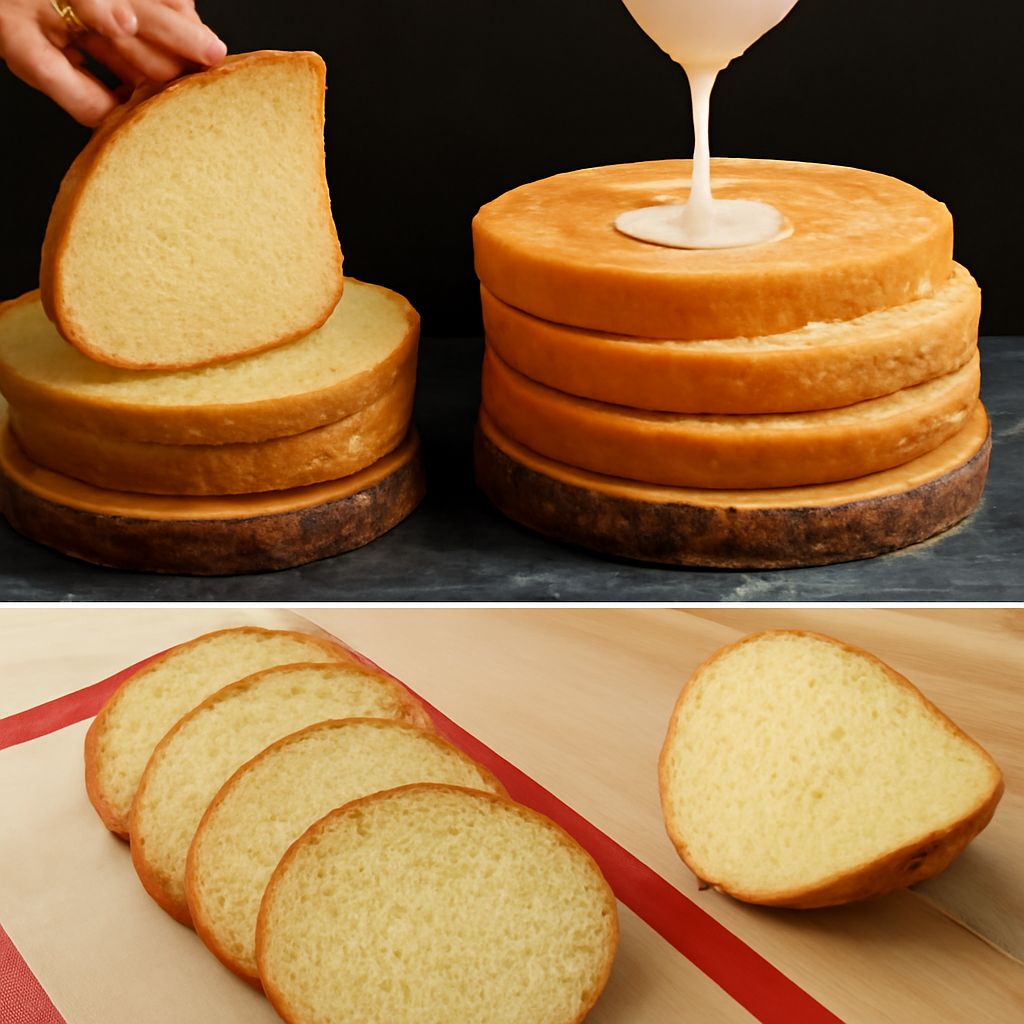
Imagine serving a dessert that not only melts in your mouth but also impresses your guests with its delicate texture and subtle sweetness. The genoise sponge cake recipe is your key to achieving this culinary masterpiece. Whether you’re a seasoned baker or a curious beginner, this guide provides you with the genoise cake secrets to perfecting this elegant treat. By mastering the art of crafting a genoise sponge cake, you can elevate your dessert repertoire and bring a touch of sophistication to your table.
With a focus on precision and technique, the genoise sponge recipe is both a challenge and a delight to undertake. You’ll discover the nuances of creating the lightest, most airy sponge with our step-by-step genoise sponge cake recipe. Unlock the potential of this versatile cake, and embrace the joy of crafting desserts that dazzle. Let’s dive into the details!
What is a Genoise Cake?
History and Origin
The genoise cake has its roots in Italy, dating back to the 18th century. Named after the city of Genoa, the cake quickly became a favorite across Europe. This sophisticated sponge cake has stood the test of time, cherished for its light texture and versatility in various desserts. Its popularity spread to France, where it became a staple in patisserie, often used as a base for layered cakes and tortes.
Unique Characteristics Unlike other sponge cakes, a genoise relies solely on the air incorporated during the whipping of eggs and sugar to achieve its volume. It contains no chemical leavening agents, which makes mastering the mixing technique crucial. The result is a refined and delicate crumb with a subtle sweetness, leaving plenty of room for flavors and fillings to shine. Its versatility makes it the perfect canvas for a wide range of desserts.
Essential Ingredients for a Perfect Genoise Sponge Recipe
Traditional Ingredients
A classic genoise sponge recipe consists of simple ingredients: eggs, sugar, flour, and butter. To begin, you will need four large eggs, 3/4 cup of granulated sugar, 1 cup of all-purpose flour, and 1/4 cup of unsalted butter, melted and cooled. Each component plays a vital role in the cake’s structure and flavor. Use high-quality ingredients to ensure the best results.
Tips for Best Results For a successful genoise, start with room-temperature eggs, as this helps in achieving maximum volume. Gradually add sugar while beating the eggs to create a stable foam. Sift the flour twice to eliminate lumps and gently fold it into the egg mixture to avoid deflating the batter. Finally, mix a small portion of the batter with the melted butter before folding it back into the main mixture. This helps distribute the fat evenly without collapsing the air bubbles.
Step-by-Step Genoise Cake Recipe
Preparation
Begin by preheating your oven to 350°F (175°C) and preparing your cake pan by lightly greasing it and lining the bottom with parchment paper. This ensures easy release after baking. Set all your ingredients within reach and gather your tools: a stand mixer or hand mixer, a rubber spatula, and a fine mesh sieve.
Baking Instructions
1. In a mixing bowl, whisk together the eggs and sugar on high speed until the mixture triples in volume, forming a thick ribbon when the beaters are lifted. This step is crucial for incorporating air.
- 2. Gently sift the flour over the egg mixture. Using a spatula, fold it in with a gentle motion to maintain the batter’s volume.
- 3. Pour a small amount of the batter into the melted butter, mix until smooth, then fold back into the main batter.
- 4. Pour the batter into the prepared pan, smooth the top, and bake for 25–30 minutes, or until the cake is golden and springs back when lightly pressed.
Common Mistakes to Avoid
Avoid over-mixing once the flour is added, as this can deflate the batter. Ensure the butter is fully incorporated to avoid dense spots. Resist opening the oven door during baking to prevent the cake from collapsing due to sudden temperature changes.
Creative Variations on the Classic Genoise Recipe
Flavor Twists
Infuse your genoise with flavors by adding a teaspoon of vanilla extract or zest from citrus fruits. For a chocolate twist, replace a portion of the flour with cocoa powder. These variations add a delightful depth to the cake without compromising its texture.
Decorating Ideas
Enhance your genoise by layering it with rich fillings like whipped cream, mascarpone, or fresh fruit. Top with a simple glaze or ganache for an elegant finish. Alternatively, dust with powdered sugar for a minimalist touch that highlights the cake’s natural beauty.
Serving and Storing Your Genoise Sponge Cake
Serving Suggestions
Genoise is best enjoyed fresh, alongside a cup of coffee or tea. Pair it with a dollop of whipped cream or a scoop of ice cream to complement its light texture. It also serves as a sophisticated base for special occasion desserts.
Storage Tips
To store, wrap the cooled genoise tightly in plastic wrap. It can be kept at room temperature for up to two days or frozen for up to a month. Thaw at room temperature before serving or decorating.
Pro tips recap: Remember to focus on technique when whipping eggs and sugar, incorporate ingredients carefully, and avoid over-mixing. These steps ensure a tender, airy cake. Experiment with variations and enjoy the satisfaction of mastering a classic genoise sponge cake.