Unlock the delightful world of baking by diving into the intricacies of the classic debate: muffin vs cupcake. Whether you’re a seasoned baker or a novice in the kitchen, understanding the difference between muffin and cupcake can elevate your baking game. With this knowledge, you’ll not only impress your friends and family but also expand your repertoire of delectable treats.
As you explore the cupcake vs muffin showdown, you’ll gain insights into key distinctions in ingredients, texture, and baking techniques. This journey will empower you to make informed choices, ensuring you achieve perfect results every time. Let’s embark on a sweet exploration of what sets these beloved confections apart.
Introduction to Muffin vs Cupcake
What are Muffins?
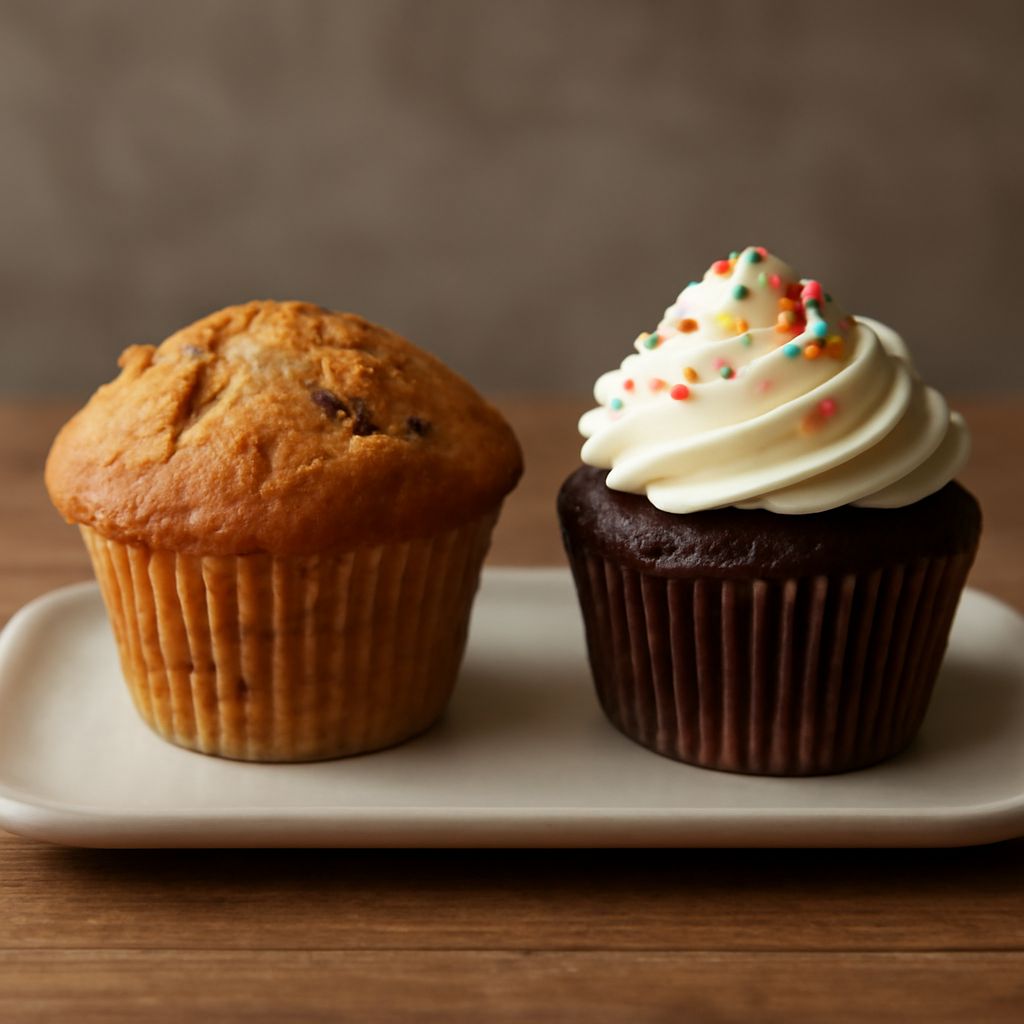
Muffins are a staple in the world of quick breads, often enjoyed as a breakfast item or snack. They boast a dense and hearty structure, frequently incorporating whole grains, fruits, or nuts. The batter for muffins is typically less sweet than its cupcake counterpart, emphasizing wholesome ingredients and a more robust flavor profile.
What are Cupcakes?
Cupcakes, on the other hand, are the quintessential sweet treat, often served as the highlight at celebrations. These mini cakes are known for their light and airy texture, achieved by a higher sugar and fat content in the batter. Frosting is a signature element of cupcakes, adding an extra layer of sweetness and decoration.
Key Differences Between Muffins and Cupcakes
Ingredients and Recipes
The primary distinction in the cupcake vs muffin debate lies in their ingredients. Muffins typically use less sugar and fat, opting for oil or melted butter, and often incorporate whole-grain flour. In contrast, cupcakes require a higher proportion of sugar and butter, contributing to their cake-like texture.
Additionally, muffins often include mix-ins like fruits or nuts, while cupcakes are usually plain until frosting is added. Adjusting these elements is essential to creating the desired texture and flavor for each treat.
Texture and Taste
The texture of muffins is denser and more bread-like, providing a hearty bite that pairs well with coffee or tea. This is due to the lower sugar content and the use of whole-grain flour, which adds complexity to the flavor profile. Muffins are often described as wholesome and satisfying.
Conversely, cupcakes are light, fluffy, and much sweeter. Their texture is akin to a traditional cake, thanks to the creamed butter and sugar. The taste is typically enhanced by a variety of frosting flavors, making cupcakes a delightful dessert choice.
Baking Techniques: Muffin vs Cupcake
Mixing Methods
When it comes to mixing methods, muffins and cupcakes diverge significantly. Muffins utilize the muffin method, where dry and wet ingredients are mixed separately and then combined gently. This method minimizes gluten development, resulting in a denser crumb.
In contrast, cupcakes require the creaming method. This involves beating butter and sugar together until light and fluffy before adding eggs and dry ingredients. This method ensures a tender and airy texture, characteristic of cupcakes.
Baking Tips for Perfect Results
Achieving perfect muffins requires careful attention to mixing and baking time. Over-mixing can lead to tough muffins, so stir until just combined. Bake muffins at a higher temperature to encourage a good rise.
For cupcakes, ensure all ingredients are at room temperature before starting. This helps ingredients blend smoothly, promoting even baking. A lower baking temperature allows cupcakes to cook evenly without doming excessively.
Nutritional Differences: Cupcake vs Muffin
Caloric Content
Caloric content is another crucial factor in the muffin vs cupcake discussion. Muffins generally contain fewer calories than cupcakes, given their lower sugar and fat content. However, the inclusion of nuts or dried fruits can increase their caloric value.
Cupcakes are often higher in calories due to the sugar, fat, and frosting. Portion control is key when enjoying these sweet treats to maintain a balanced diet.
Healthier Options
If you’re looking for healthier options, muffins can be easily adapted to suit dietary needs. Use whole-grain flour, reduce sugar, or add nutrient-rich ingredients like oats or chia seeds. These adjustments can make muffins a nutritious choice.
For cupcakes, consider using reduced-fat ingredients and natural sweeteners. Opt for a light cream cheese frosting or a simple dusting of powdered sugar to cut down on sugar and fat without sacrificing flavor.
Conclusion: What’s the Difference Between a Muffin and a Cupcake?
In essence, the difference between a muffin and a cupcake comes down to ingredients, texture, and purpose. Muffins are hearty and less sweet, often enjoyed as a breakfast or snack. Cupcakes, on the other hand, are sweeter and lighter, perfect for celebrations.
Understanding these differences empowers you to choose the right treat for any occasion, whether you’re hosting a brunch or planning a party. Embrace the unique qualities of each, and let your baking adventures begin!
Next steps: Experiment with different recipes to master the art of baking both muffins and cupcakes. Practice makes perfect, so have fun, and enjoy the process. Remember, the key to success is in the details—pay attention to ingredients, mixing methods, and baking times to achieve the best results.