Creating a perfect tart crust is the foundation of any great tart, and it’s easier than you think. With our best tart dough recipe, you’ll learn how to achieve the perfect balance of buttery richness and flaky texture. Whether you’re crafting a savory quiche or a sweet fruit tart, mastering the tart pastry technique will elevate your baking game.
Discover how simple ingredients come together to form a versatile canvas for your culinary creativity. Let’s dive into the essential steps for creating flawless tart crusts that never fail to impress.
Introduction to Tart Crusts
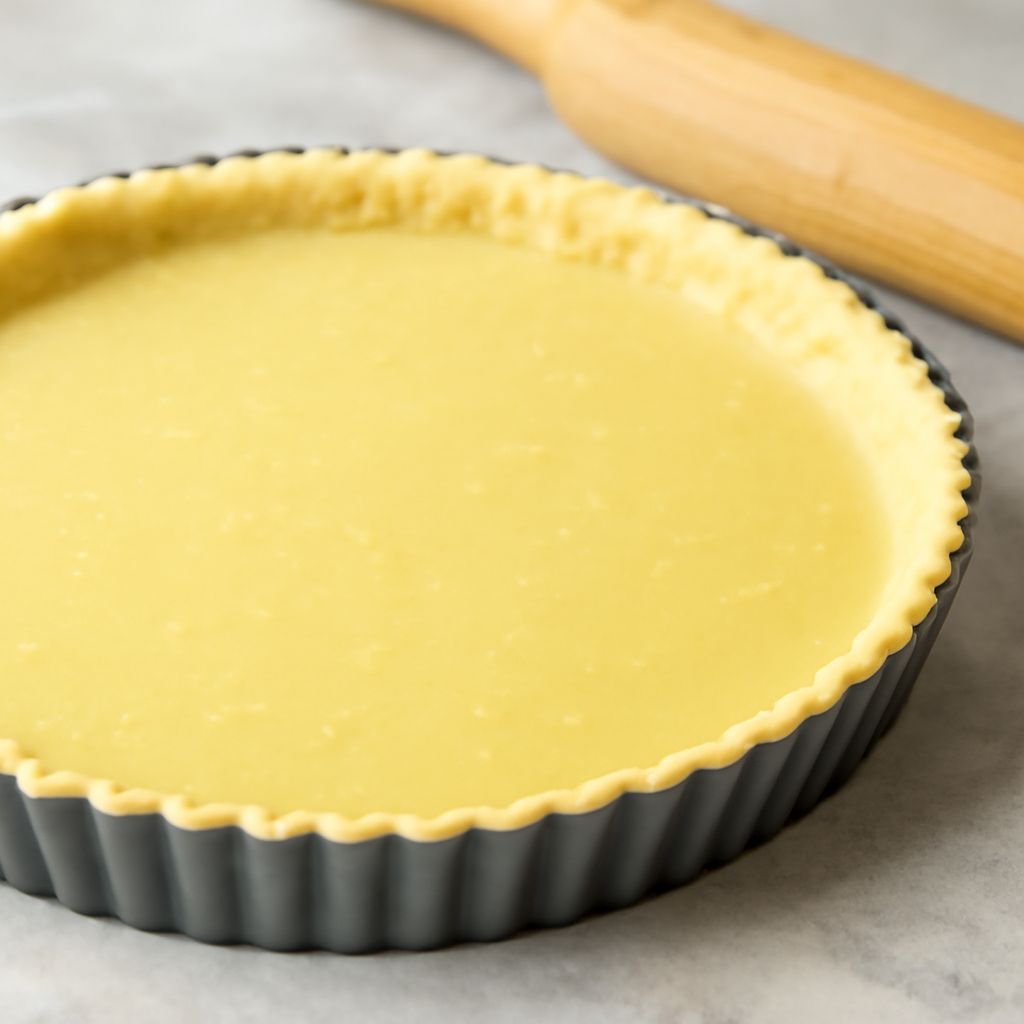
A tart crust is the cornerstone of many desserts, offering a delicate yet sturdy base that complements a variety of fillings. Unlike pie crusts, tart crusts are typically richer and crisper, providing a delightful contrast to smooth custards or fresh fruits. Understanding the nuances of tart pastry helps you create desserts with professional-level quality right in your own kitchen.
Essential Ingredients for Tart Dough Recipe
The best tart dough recipe starts with a few simple ingredients, each adding a unique property to the dough. You’ll need all-purpose flour for structure, unsalted butter for flavor and flakiness, a pinch of salt to enhance taste, and just enough water to bring it all together. Some variations might include sugar for sweetness or an egg yolk for richness. These ingredients, when combined correctly, result in a perfect tart crust.
Always use cold butter to ensure a flaky texture. The butter should be diced and then incorporated into the flour until the mixture resembles coarse crumbs. This step is crucial for achieving a tender tart pastry that holds its shape and doesn’t become tough.
Step-by-Step Tart Crust Recipe
To create your tart crust, follow these steps:
- In a large bowl, combine 1 1/4 cups of all-purpose flour and 1/4 teaspoon of salt. If making a sweet tart, add 2 tablespoons of sugar.
- Add 1/2 cup of cold, diced unsalted butter. Use a pastry cutter or your fingers to mix until the mixture resembles coarse crumbs.
- Add 2 to 4 tablespoons of ice-cold water, one tablespoon at a time, mixing gently until the dough just holds together.
- Form the dough into a disk, wrap it in plastic wrap, and refrigerate for at least 30 minutes to allow the gluten to relax.
- Roll out the dough on a lightly floured surface to fit your tart pan. Gently press the dough into the pan and trim any excess.
- Prick the base with a fork. Chill the lined tart pan for another 30 minutes to prevent shrinking during baking.
- Pre-bake the crust by lining it with parchment paper and pie weights, then bake at 375°F (190°C) for 15 minutes. Remove weights and paper, and bake for an additional 10 minutes until golden.
Common Mistakes to Avoid in Tart Pastry
To ensure success with your tart pastry, avoid these common pitfalls:
- Overworking the dough: This can lead to a tough crust. Handle the dough as little as possible once the water is added.
- Using warm ingredients: Always use cold butter and ice-cold water to keep the dough flaky.
- Skipping the chilling steps: Chilling the dough prevents shrinking and helps maintain its structure during baking.
- Forgetting to use pie weights: Without weights, the crust may puff up and lose its shape during pre-baking.
Creative Variations of Tart Crust Recipes
Once you’ve mastered the basic tart crust, you can experiment with exciting variations. Try adding ground nuts like almonds or walnuts to the flour for added texture and flavor. For a savory twist, incorporate herbs such as rosemary or thyme into the dough. These modifications can transform your tart pastry into something truly unique.
Another popular variation involves using whole wheat flour for a nutty, rustic crust or adding cocoa powder for a chocolatey base perfect for rich, indulgent fillings. With these creative options, your tart crust can be as versatile as your imagination allows.
FAQs on Tart Dough and Pastry
How do I prevent my tart crust from shrinking?
Ensure the dough is adequately chilled before baking and avoid overworking it. Using pie weights during the initial baking phase helps maintain the crust’s shape.
Can I make tart dough in advance?
Yes, you can prepare the dough up to two days ahead. Store it wrapped in plastic wrap in the refrigerator, or freeze it for up to a month.
What is the difference between tart crust and pie crust?
Tart crusts are typically richer, with a higher butter content, resulting in a crisper and more flavorful base compared to pie crusts, which are often flakier and softer.
Pro tips recap: For perfect tart pastry every time, focus on using cold ingredients, avoid overworking the dough, and ensure proper chilling before baking. Experiment with creative ingredients to add flavor and texture to your crust, making each tart a delicious masterpiece.