Your wedding is one of the most significant days of your life, and organizing a flawless wedding day timeline ensures every moment is as magical as you’ve dreamed. With a well-structured wedding day timeline, you can maximize joy and minimize stress, creating a seamless flow that allows you to focus on celebrating love with family and friends. Discover how typical wedding day timelines can transform your big day into a masterpiece, and learn practical tips to organize your wedding timeline day-of with ease.
From morning preparations to evening celebrations, understanding the intricacies of a wedding schedule is crucial. As you dive into planning, you’ll uncover the importance of a well-crafted timeline, helping you avoid common pitfalls and enjoy a stress-free experience. Let’s explore how to create the wedding timeline that reflects your unique style and vision.
Understanding Wedding Day Timelines
What is a Wedding Day Timeline?
A wedding day timeline is a detailed plan that outlines the sequence of events from the moment you wake up until the last dance of the evening. It serves as a guide to ensure everything runs smoothly, allowing you to savor each moment without worrying about what’s next. The timeline includes all aspects, from preparations, ceremonies, to receptions.
Why a Wedding Schedule is Important
Having a wedding schedule is crucial as it acts as a roadmap for the day, keeping you, your partner, and vendors on track. A well-organized schedule helps coordinate everyone’s efforts, ensuring all elements fall into place seamlessly. This structure prevents unexpected delays and allows for a stress-free celebration.
Creating a Typical Wedding Day Timeline
Morning Preparations
Start the day with calm and focus by allocating time for morning preparations. This includes hair and makeup, dressing, and a moment for reflection. Typically, this phase begins three to four hours before the ceremony to ensure everything is perfect without the rush. Embrace the excitement as you prepare to walk down the aisle.
Ceremony Schedule
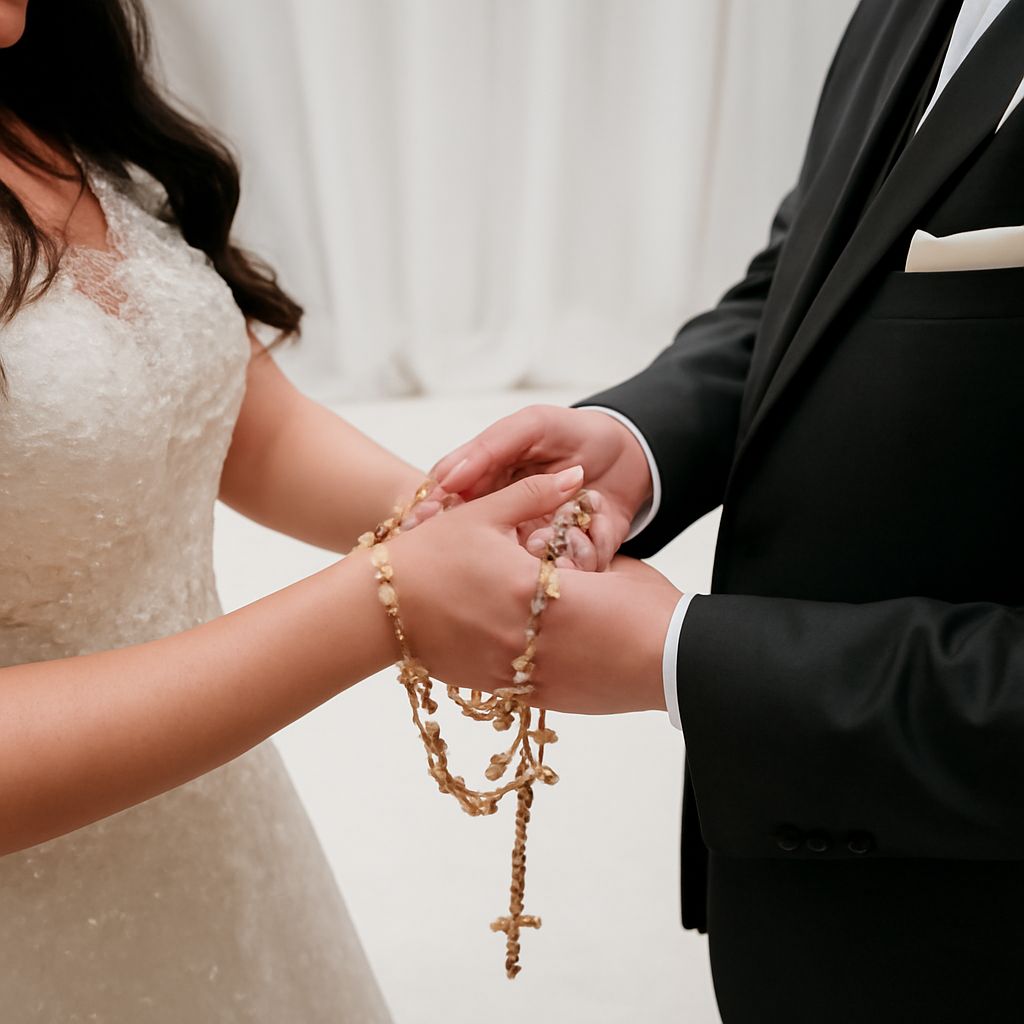
The ceremony is the heart of your wedding day. Plan for guests to arrive 30 minutes before the start time. The ceremony itself usually lasts between 30 to 60 minutes, depending on the traditions you incorporate. Follow the ceremony with a short cocktail hour, allowing guests to mingle while you capture stunning photos.
Reception and Evening Events
The reception is where the celebration truly begins. Start with a grand entrance, followed by dinner, speeches, and the first dance. Allocate time for guest interaction and dancing to keep the energy high. Plan for 2 to 3 hours of dancing and mingling, and end the evening with a memorable send-off.
Tips for a Stress-Free Wedding Timeline Day Of
Communicating with Vendors
Effective communication with vendors is key to a seamless wedding timeline day-of. Share your timeline with your photographer, caterer, and coordinator to ensure everyone is aligned. Regular check-ins help address any last-minute changes, keeping everything flowing smoothly.
Flexible Scheduling
While it’s essential to have a detailed plan, flexibility is important. Allow for slight adjustments and remain open to changes. Flexibility ensures you can adapt to minor hiccups without stress, maintaining the joy of the day.
Contingency Plans
Prepare a contingency plan to handle unexpected events like weather changes or vendor delays. Having a backup ensures you’re ready for anything, allowing you to continue enjoying your day without interruptions.
Common Mistakes in Wedding Timelines
Overpacking the Schedule
A common mistake is cramming too many activities into a tight timeline. Avoid this by prioritizing key moments and allowing breathing room between events. This ensures guests and hosts alike don’t feel rushed and can savor the day.
Ignoring Buffer Times
Buffer times are critical for absorbing unexpected delays. Incorporate 10 to 15 minutes between major events like photos and transitions to ensure you remain on track without stress. Buffer times help keep the day flexible and enjoyable.
Sample Wedding Timelines for Inspiration
Classic Wedding Day Timeline
The classic wedding day timeline begins with early morning preparations, followed by a midday ceremony. After the ceremony, guests enjoy a cocktail hour while you take family photos. The evening unfolds with a sit-down dinner, speeches, and dancing, concluding with a joyous send-off.
Modern Wedding Schedule
A modern wedding schedule may feature a late afternoon ceremony, reducing the gap between the ceremony and reception. This style often includes a buffet dinner, interactive stations, and extended dance time, ending with a unique and personalized farewell.