When it comes to elevating your desserts, understanding the difference between vanilla and French vanilla can make a substantial impact. French vanilla offers a richer and creamier flavor profile that can bring out deeper notes in your sweet creations. Whether you’re crafting an elegant cake or a simple cookie, choosing between French vanilla and vanilla can transform your baking results.
What is French vanilla? It’s not just a flavor but an experience. As you delve into the world of baking, knowing how these flavors differ will empower you, ensuring your desserts are always a hit.
What is French Vanilla?
French vanilla is more than just an alternative to traditional vanilla. It refers to a specific preparation method that incorporates egg yolks, giving it a custard-like base. This addition creates a creamy texture and a richer flavor compared to standard vanilla. In essence, French vanilla is associated with a smooth, velvety taste that enhances both the aroma and the complexity of your desserts.
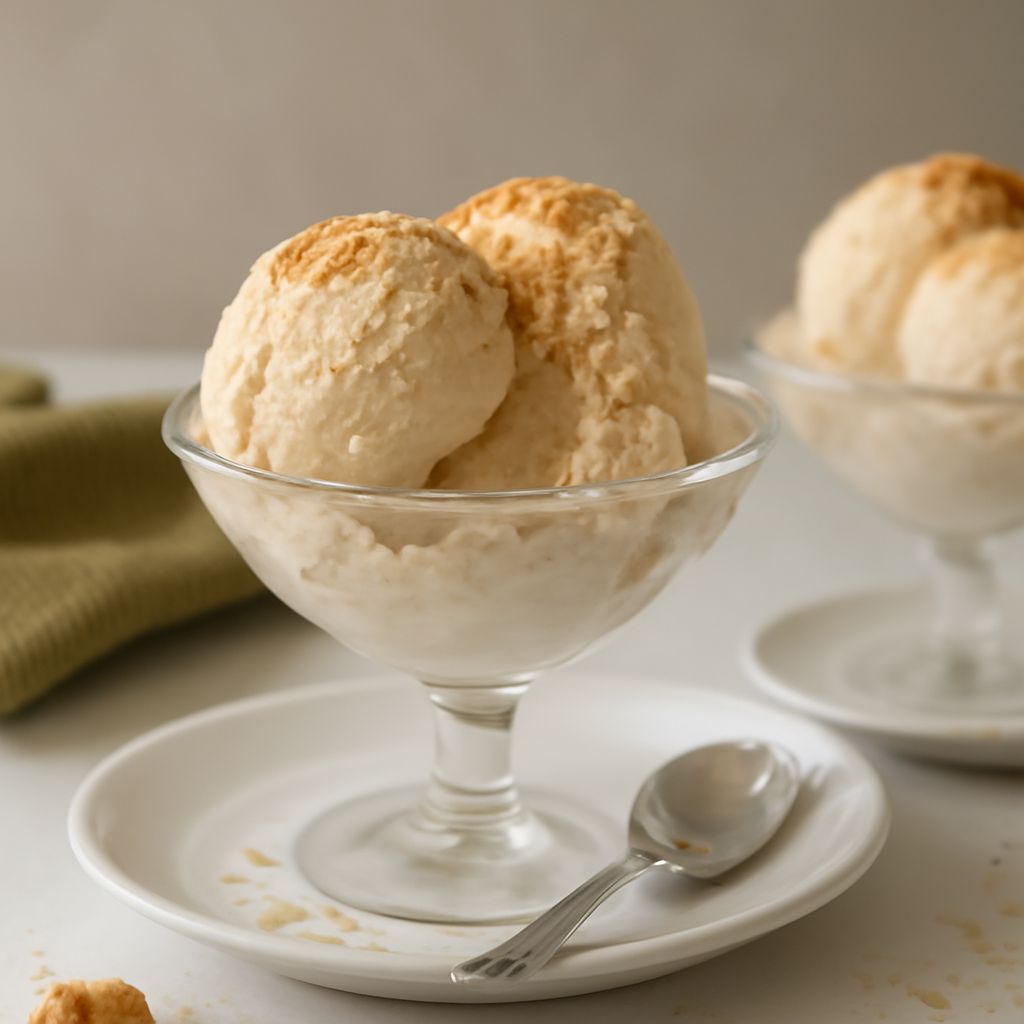
When you encounter French vanilla in recipes or products, expect a luxurious mouthfeel and depth that standard vanilla can’t match. It’s particularly popular in ice creams and custards, where its qualities really shine.
Origins of French Vanilla and Vanilla
Vanilla itself originates from the tropical orchids of the genus Vanilla, primarily found in Mexico and Madagascar. The term “vanilla” refers to the pure extract from these vanilla beans. French vanilla, however, is linked to French culinary techniques rather than a geographical location. The term originated from the traditional French method of making ice cream, which uses a custard base with egg yolks.
This historical connection gives French vanilla its distinctive creamy profile, setting it apart from regular vanilla, which is typically just the extract used in flavoring.
The Difference Between Vanilla and French Vanilla
The principal difference between vanilla and French vanilla lies in their composition and flavor impact. Vanilla is derived from vanilla beans and provides a clean, floral flavor. It’s often used in extracts and flavorings to add a subtle yet essential sweetness to recipes.
French vanilla, on the other hand, incorporates egg yolks for a more custard-like taste and texture. This means when you use French vanilla, you’re adding a layer of richness to your desserts. It’s more aromatic and complements creamy dishes excellently, unlike the straightforward flavor of traditional vanilla.
What’s the Difference Between French Vanilla and Vanilla in Baking?
In baking, the difference between French vanilla and vanilla becomes pivotal depending on the texture and flavor profile you desire. For recipes that benefit from enhanced creaminess, such as cakes, custards, and ice creams, French vanilla can significantly elevate the outcome.
Using French vanilla extract or powder in recipes can impart a decadent and velvety taste, whereas regular vanilla is ideal for recipes requiring a pure, unaltered vanilla essence. Partial uses of French vanilla in frosting and fillings can result in smoother, richer components, creating a more indulgent dessert experience.
How to Choose Between French Vanilla and Vanilla
When deciding between French vanilla and vanilla, consider the type of dessert you’re preparing and the flavor profile you aim to achieve. Use French vanilla when you want to enhance creaminess and depth, such as in custards, buttercreams, and ice creams.
For recipes where simplicity and pure vanilla essence are desired, such as sugar cookies or vanilla sponge cakes, traditional vanilla suffices. Assessing your recipe’s needs and the impact each flavor has will guide your choice effectively.
Common Uses for French Vanilla and Vanilla
French vanilla is commonly used in ice creams, custards, and creamy desserts due to its rich texture and sophisticated taste. It’s perfect for recipes where you want a luxurious mouthfeel. Incorporate French vanilla extract into frostings or cheesecakes for a decadent twist.
Vanilla, with its versatile and pure flavor, is suited for a wide array of baked goods such as cookies, cakes, and pastries. It’s a staple in baking, providing essential sweetness without overwhelming the other ingredients. Whether you need a stable base or a subtle hint, vanilla serves as a reliable choice.
Pro Tips Recap
To maximize your baking endeavors, remember: French vanilla brings creaminess and depth, making it perfect for luxurious desserts. Vanilla offers a clean and versatile flavor, ideal for everyday baking. Consider your recipes and desired outcomes to choose wisely between the two.