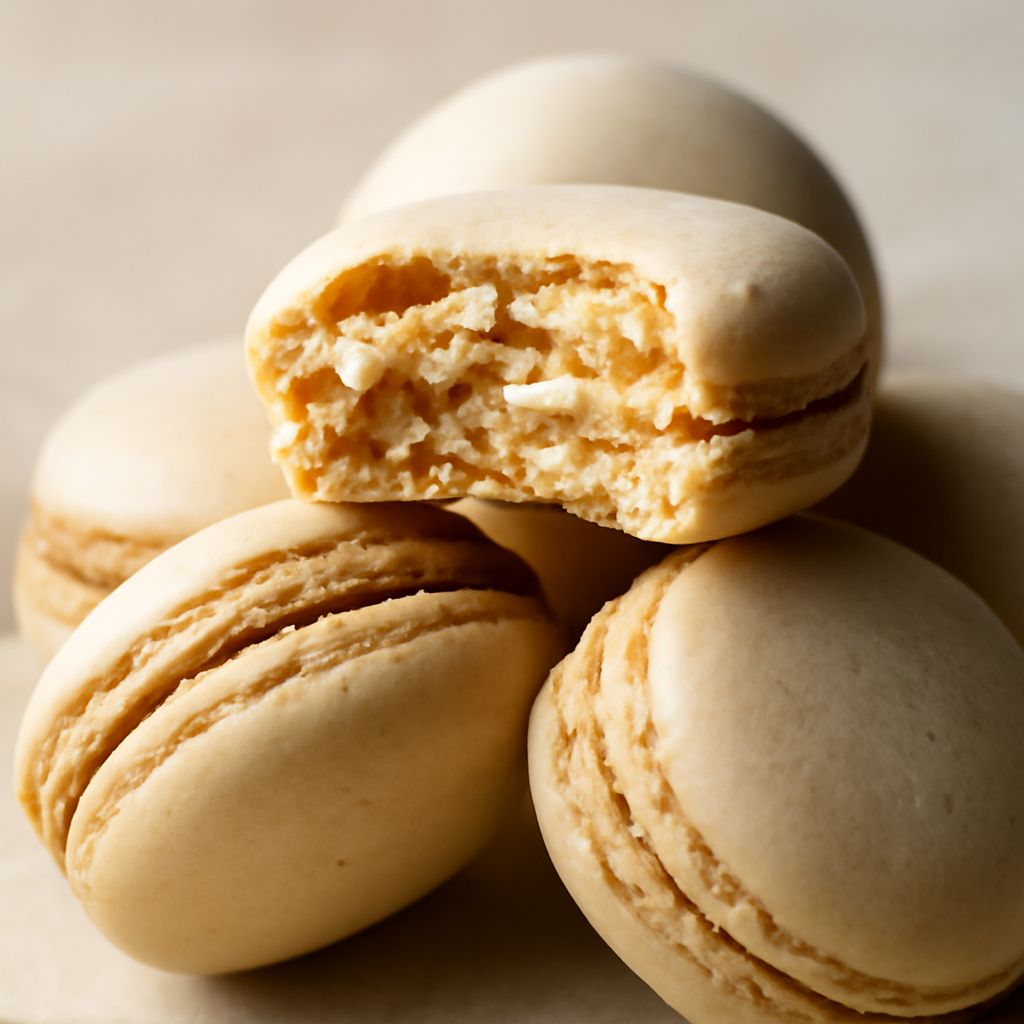
There’s something undeniably enchanting about a perfectly crafted macaron—its delicate crunch giving way to a chewy, flavorful interior. With our easy macaron recipe, you can transform your kitchen into a patisserie delight and impress your friends with this classic treat. Whether you’re a seasoned baker or just starting out, our guide will show you exactly how to make macarons that look and taste like they came straight from a Parisian bakery. Dive into the secrets of a foolproof recipe for macaroons and elevate your baking game today.
Introduction to Macarons
The macaron, a renowned French confection, is known for its vibrant colors and the perfect balance of texture. Derived from the Italian word “maccarone,” this delightful treat has become a staple in dessert menus worldwide. Macarons are composed of two meringue-based cookies sandwiched around a luscious filling, often flavored with chocolate ganache, buttercream, or jam. The key to mastering these delicate desserts lies in understanding the nuances of each step, from ingredient selection to baking technique.
Essential Ingredients for an Easy Macaron Recipe
To begin your macaron journey, gather these essential ingredients: almond flour, powdered sugar, egg whites, granulated sugar, and food coloring if desired. Almond flour provides the nutty flavor and smooth texture, while powdered sugar keeps the shells light. Fresh egg whites are crucial for the meringue’s stability, and granulated sugar helps achieve the desired glossy peaks. The choice of filling is versatile, allowing you to experiment with flavors like raspberry, lemon, or classic vanilla.
Remember, precision is key. Weighing your ingredients ensures consistency and helps avoid common pitfalls. Sift the almond flour and powdered sugar together to remove any lumps, creating a smooth batter that’s easy to pipe.
Step-by-Step Guide on How to Make Macarons
Begin by whipping the egg whites until foamy, then gradually add granulated sugar while beating until stiff peaks form. This creates a robust meringue that holds its shape. Gently fold in the almond flour and powdered sugar mixture, being careful not to deflate the batter. This technique, known as “macaronage,” is crucial for achieving the right consistency, which should flow like lava.
Next, transfer the batter to a piping bag and pipe small, uniform circles onto a baking sheet lined with parchment paper. Tap the sheet on the counter to release any air bubbles and let the macarons sit at room temperature until a skin forms on the surface, about 20-30 minutes. This step ensures the macarons develop their characteristic “feet” during baking.
Bake the macarons at 300°F (150°C) for 15-18 minutes, checking for doneness by gently lifting one off the tray. Once cooled, fill the shells with your choice of filling and sandwich them together, letting the flavors meld for 24 hours in the refrigerator for optimal taste.
Common Mistakes to Avoid in a Macarons Recipe
Even with an easy macaron recipe, certain pitfalls can lead to imperfect results. One common issue is overmixing the batter, which causes the macarons to spread too much and lose their structure. Conversely, undermixing can result in lumpy shells. Pay close attention to the “macaronage” process, stopping when the batter flows smoothly.
Another frequent mistake is baking at an incorrect temperature, leading to cracked or hollow shells. Invest in an oven thermometer to ensure an accurate reading. Additionally, skipping the resting step before baking can prevent the macarons from developing their signature feet.
Tips for Perfecting Your Recipe for Macaroons
To perfect your recipe for macaroons, practice patience and precision. Use aged egg whites for a more stable meringue, and experiment with different flavor combinations to make each batch unique. Incorporating a touch of cream of tartar can also stabilize the meringue.
Experiment with coloring, but use gel or powdered food coloring to avoid altering the batter’s consistency. When filling the macarons, add a surprise middle layer like a small dollop of jam or curd for an extra burst of flavor. Finally, allow your macarons to mature in the fridge to enhance their flavor profile before serving them at room temperature.
Conclusion: Enjoying Your Homemade Macarons
Creating macarons can be a rewarding experience, combining precision and creativity. With an understanding of the essential techniques and a little practice, you can master an easy macaron recipe and enjoy these elegant desserts anytime. Whether you’re making them for a special occasion or simply to indulge your sweet tooth, homemade macarons are a testament to your baking prowess.
Key takeaways: Macarons require precision in both measurement and technique, but with practice, you can achieve patisserie-quality results. Remember to age your egg whites and let the shells rest before baking for the best texture.