Creating the perfect dessert often hinges on the frosting, and nothing elevates a cake or cookie quite like a smooth layer of powdered sugar icing. This versatile topping not only enhances the visual appeal of your baked goodies but also adds a sweet, delicate flavor that complements any treat. Whether you’re a seasoned baker or a beginner eager to experiment, learning how to make icing with powdered sugar is a skill that will open up a world of confectionery possibilities.
From classic cakes to innovative pastries, the use of confectioners sugar icing is a timeless tradition in the baking world. This guide will lead you through understanding powdered sugar icing, its essential ingredients, making process, delightful variations, and troubleshooting tips to ensure your icing turns out perfect every time.
Understanding Powdered Sugar Icing
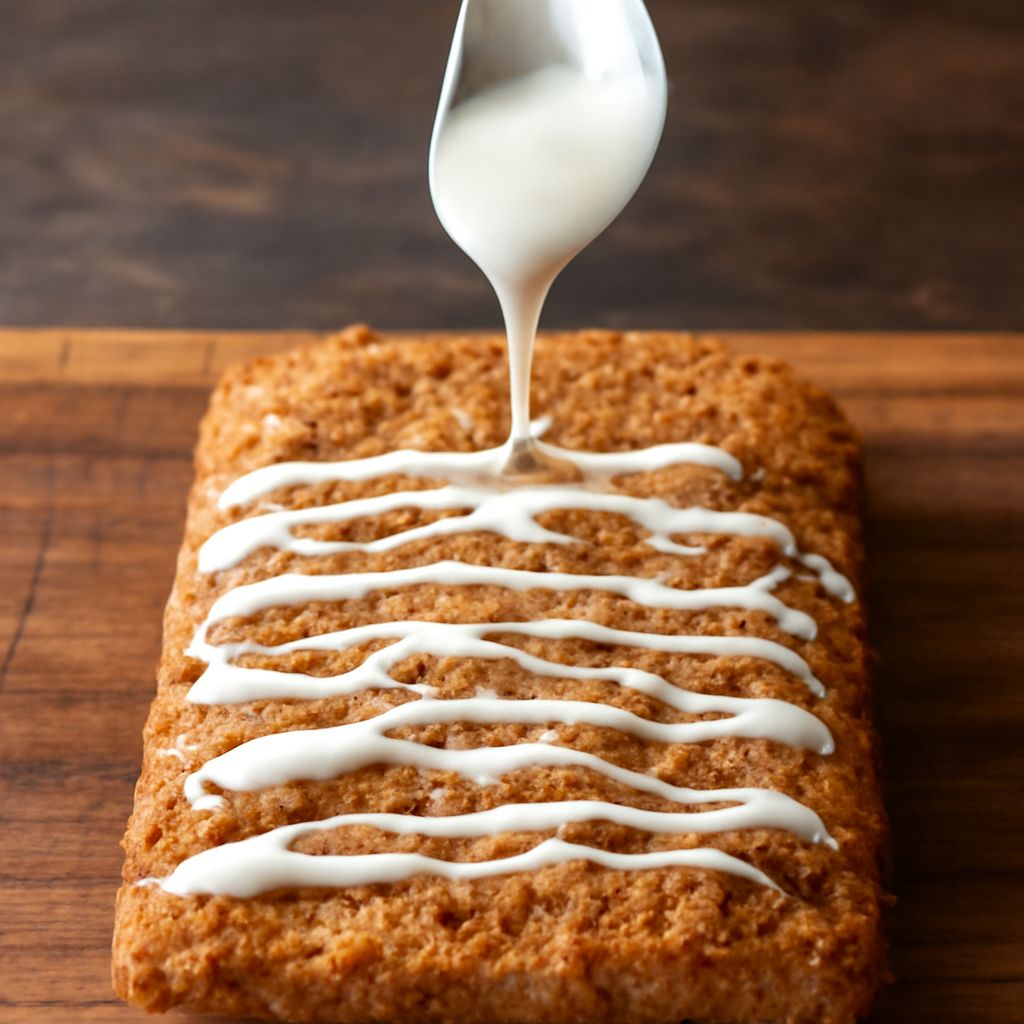
Powdered sugar icing, also known as confectioners sugar icing, is a simple yet essential component in baking. It is made by combining powdered sugar with a liquid, often milk or water, and a flavoring, such as vanilla. The result is a smooth, sweet coating that hardens slightly upon drying, making it perfect for drizzling over cookies, cakes, and pastries. Its versatility allows it to be used in a range of desserts, from classic to contemporary.
This type of icing is favored for its quick preparation time and ease of use. It requires no cooking and can be adjusted for consistency simply by varying the amount of liquid added. Powdered sugar icing also serves as a base for more elaborate decorations, such as piping or creating intricate designs on your baked goods.
Essential Ingredients for Powdered Sugar Frosting
The beauty of powdered sugar frosting lies in its simplicity, requiring just a few basic ingredients:
- Powdered Sugar: Also known as confectioners sugar, it provides the sweet, fine texture necessary for a smooth icing.
- Liquid: Typically milk or water is used, but you can also experiment with fruit juices or extracts for additional flavor.
- Flavoring: Vanilla extract is the most common, but almond, lemon, or other extracts can add a unique twist.
- Salt: A pinch of salt can balance the sweetness and enhance the flavors.
These ingredients are pantry staples, making this frosting a go-to choice for impromptu baking sessions.
Step-by-Step Guide on How to Make Icing with Powdered Sugar
Making icing with powdered sugar is a straightforward process that takes just a few minutes:
- Measure the Ingredients: Start with 1 cup of powdered sugar. Adjust according to the amount needed for your dessert.
- Add Liquid: Mix in 1 to 2 tablespoons of milk or water, depending on the desired consistency.
- Mix Thoroughly: Use a whisk or fork to combine the ingredients until smooth, ensuring there are no lumps.
- Add Flavoring: Stir in 1 teaspoon of your chosen extract, such as vanilla, for flavor.
- Adjust Consistency: If needed, add more liquid for a thinner glaze or more powdered sugar for a thicker frosting.
Once prepared, you can spread it over cakes, drizzle on cookies, or use it as a base for more intricate decorations.
Common Variations of Confectioners Sugar Icing
While the basic recipe is delightful, there are numerous ways to customize your confectioners sugar icing:
- Chocolate Icing: Add cocoa powder to the mix for a rich, chocolatey flavor.
- Citrus Twist: Incorporate lemon or orange zest for a refreshing citrus note.
- Cream Cheese Frosting: Blend in softened cream cheese for a tangy, creamy variation.
- Spiced Icing: Add cinnamon or nutmeg for a warm, spiced touch perfect for autumnal desserts.
These variations allow you to tailor the icing to complement the flavors of your dessert, creating a harmonious balance of taste and texture.
Troubleshooting Tips for Perfect Results
Even with a simple recipe, issues can arise. Here are some troubleshooting tips to ensure perfect results:
- Lumpy Icing: Sift the powdered sugar before mixing to prevent lumps from forming.
- Too Thick or Thin: Adjust consistency gradually. Add liquid one teaspoon at a time for thinning, or powdered sugar for thickening.
- Flavor Too Strong: Start with a smaller amount of extract and taste before adding more.
These tips will help you achieve the desired texture and flavor, ensuring your powdered sugar frosting enhances your baked creations beautifully.
Bottom line: Mastering powdered sugar icing can elevate your baking skills and enhance your desserts. With its simplicity, versatility, and ability to adapt to various flavors, it is a must-have recipe in any baker’s repertoire.