Transform your baking with the benefits of homemade cake flour. This DIY cake flour technique not only enhances the texture of your baked goods but also provides a cost-effective alternative to store-bought options. Learn how to make cake flour at home and elevate your cakes to professional standards.
Creating a cake flour recipe from scratch gives you control over ingredients, ensuring the freshest and best-quality flour for your creations. Dive into this simple guide and discover how easy it is to produce your own cake flour at home.
Understanding Cake Flour
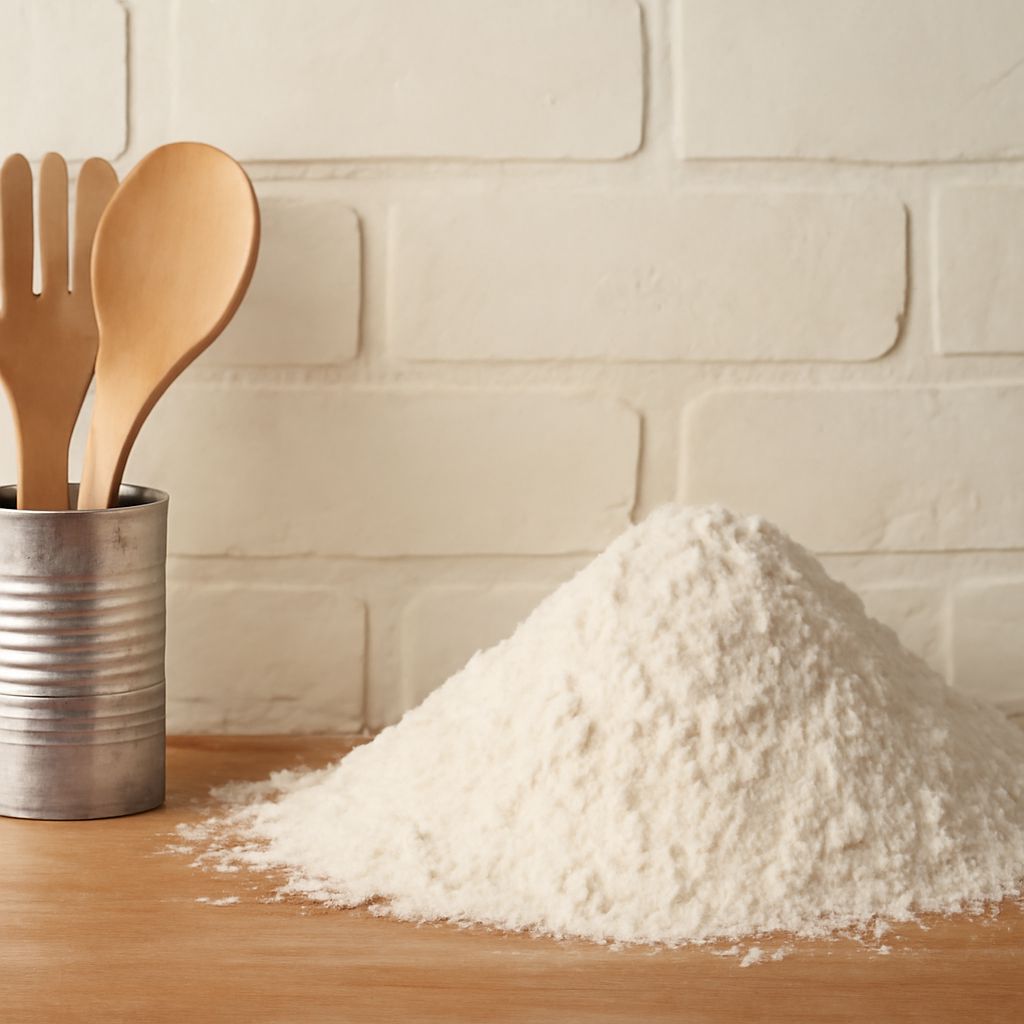
Cake flour is a finely milled flour made from soft wheat, boasting a lower protein content than all-purpose flour. This low protein means less gluten formation, resulting in a tender and soft crumb ideal for cakes. The fine texture of cake flour incorporates easily into batters, preventing lumps and ensuring a smooth mixture.
For many baking enthusiasts, understanding the role of cake flour in recipes is crucial. It contributes to a light and airy texture, making it a favorite for delicate cakes like sponges and angel food cakes.
Why Use Homemade Cake Flour
Homemade cake flour offers several advantages over commercial varieties. By making your own, you’re ensuring the absence of any added chemicals or preservatives. This DIY cake flour approach provides a fresher product that can be tailored to your baking needs.
Additionally, homemade cake flour can be made on demand, reducing waste and saving space in your pantry. You gain the flexibility to create just the amount you need, whenever you need it.
Ingredients Needed for DIY Cake Flour
The ingredients for a successful cake flour recipe are simple and minimal: all-purpose flour and cornstarch. To make one cup of cake flour, measure out one level cup of all-purpose flour, then remove two tablespoons of it. Replace these two tablespoons with two tablespoons of cornstarch.
This combination mimics the low protein content of traditional cake flour, yielding similar results in your baked goods.
Step-by-Step Cake Flour Recipe
Follow these steps to make your own cake flour:
- Start with one cup of all-purpose flour. Spoon it into a measuring cup and level it off for accuracy.
- Remove two tablespoons of the flour and set it aside for another use.
- Add two tablespoons of cornstarch to the remaining flour in the cup.
- Whisk the flour and cornstarch together thoroughly to ensure even distribution.
- For an extra fine texture, sift the mixture twice. This helps aerate the flour, making it perfect for light and fluffy cakes.
Your homemade cake flour is now ready to use in any recipe that calls for cake flour.
Tips for Perfect Cake Flour
For best results, always measure your flour accurately. Use a spoon to fill the measuring cup and level it off with a knife to avoid packing it down. This ensures you’re not adding too much flour, which can lead to dense cakes.
If you’re preparing a large batch of homemade cake flour, mix it well and store it in an airtight container to keep it fresh and ready to use.
Common Mistakes to Avoid
Avoid using too much cornstarch as it can cause your cakes to become overly dry. Stick to the recommended ratio for best results. Also, ensure that your whisking or sifting is thorough to prevent uneven distribution of the cornstarch, which can lead to inconsistent textures in your cakes.
Remember not to substitute DIY cake flour directly in bread recipes, as the lower protein content affects gluten development, leading to unsatisfactory bread texture.
Key takeaways: Making cake flour at home is straightforward and offers control over quality and freshness. By following a simple method, you can enhance your baking with a tender, soft crumb. Avoid common mistakes to perfect your cake flour every time.