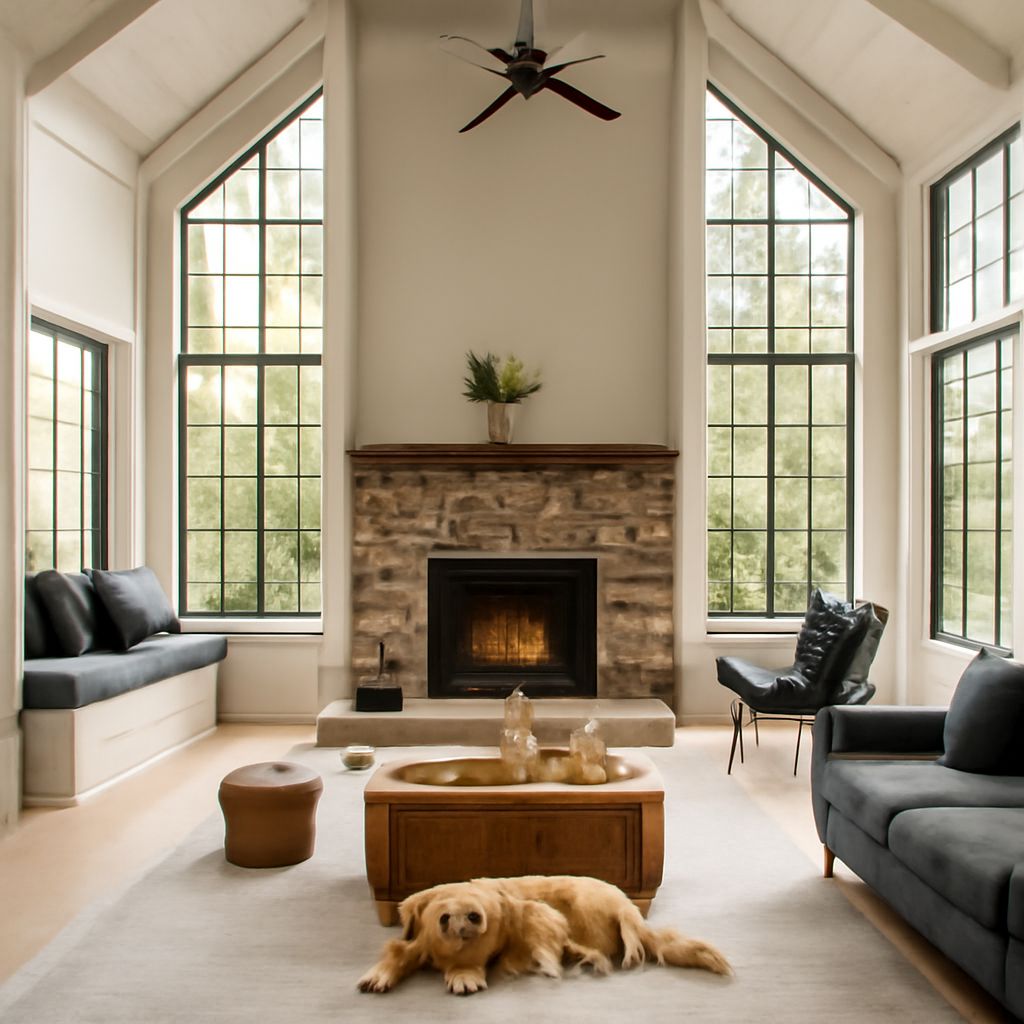
You have a perfectly good room, a blank wall, and seventeen saved pictures that seem to disagree with one another. Before buying a lamp that needs its own explanation, compare a few styles for decorating a house and decide what you want the room to feel like.
These decorating styles have recognizable colors, materials, and shapes, but you can borrow from more than one. Start with the pieces you already own, then choose a few details that make them feel at home together.
House Decor Styles: A Quick Comparison
The best house decor styles give you a direction for decisions both large and small. This decorating styles list puts seven approaches side by side so you can spot the differences before committing to a paint color or a sofa.
| Style | Colors | Materials and shapes |
|---|---|---|
| Coastal | White, sand, soft blue | Light wood, linen, airy shapes |
| Boho | Earth tones and layered color | Woven fibers, patterns, relaxed forms |
| Gothic | Black, burgundy, deep green | Dark wood, velvet, pointed or ornate details |
| Western | Tan, rust, warm brown | Wood, metal, leather-look accents, sturdy forms |
| Rustic | Brown, stone gray, muted green | Rough wood, stone, substantial shapes |
| Farmhouse | Cream, white, soft gray | Painted wood, simple metal, practical forms |
| Primitive country | Muted red, mustard, brown | Aged wood, handmade textiles, simple forms |
Think of these home themes as visual families. Coastal and farmhouse can both feel light, for example, while their textures and details tell different stories.
Coastal: Light and Breezy
Coastal rooms take cues from the colors and textures of shorelines. Try warm white walls, a sand-colored sofa, pale wood, and blue accents. Linen curtains and a woven cotton rug add texture without making the room feel crowded.
Keep shapes relaxed and let daylight do some of the work. A single seascape or a bowl of shells can suggest the coast; a small fleet of decorative anchors may suggest that the living room is expecting a tide. In a dim room, add warm lamps and use cream rather than a chilly, stark white.
Boho: Collected and Relaxed
Boho welcomes pattern, texture, and objects that look gathered over time. Picture a low sofa, a patterned rug, woven baskets, and cushions in rust, ocher, and faded pink. Plants and handmade ceramics bring in varied shapes.
To make the mix feel intentional, repeat one or two colors across the room. If the rug is busy, choose quieter upholstery so the eye has somewhere to rest. Among the types of decor here, boho gives you the most room to combine different patterns and finishes without asking each one to match.
Gothic: Dramatic and Detailed
Gothic interiors favor depth and a touch of theater. Dark wood, burgundy or forest-green upholstery, ornate frames, and pointed arches can create the mood. A black metal candleholder or a mirror with an arched top brings a little drama to a room with otherwise simple furniture.
Balance rich colors with lighting at different heights: a floor lamp beside a chair and a table lamp across the room, for instance. Choose plant-based or synthetic velvet if you want the plush texture without animal-derived fibers. These decoration styles can be as restrained or elaborate as your room allows; one statement mirror may be enough for a small space.
Western: Warm and Open
Western rooms draw on ranch and desert imagery. Warm brown wood, rust-colored textiles, metal hardware, and geometric woven patterns work well together. Think of a sturdy wood coffee table paired with a sandy-colored sofa and a striped throw.
A leather-look chair can give you the familiar silhouette without animal leather; check the material label if that matters to you. Pick one or two motifs, such as a landscape print and a woven rug, and let natural color carry the rest. Your room can have a western accent without looking ready to sell trail maps.
Rustic: Texture Up Close
Rustic decorating emphasizes the character of materials: visible wood grain, rough stone, substantial beams, and hand-finished surfaces. A reclaimed wood table with simple chairs gives a dining room an immediate focal point. Add a wool-free woven throw or cotton cushions to soften the hard edges.
Of the types of home decor in this guide, rustic is especially focused on texture. Pair a rough table with smoother floors or a plain wall, so every surface does not compete for attention. Seal or finish reclaimed pieces appropriately for their use, especially where food or spills are likely.
Farmhouse: Practical and Airy
Farmhouse rooms combine useful shapes with a comfortable, informal mood. Painted cabinets, a large wood table, open shelving, and simple metal handles are familiar choices. Cream, soft gray, and muted greens make an easy backdrop for everyday dishes and textiles.
Farmhouse and rustic share wood and practical furniture. Farmhouse often feels lighter and more polished, while rustic puts rougher surfaces front and center. If open shelves appeal to you, keep everyday items within reach and give the rest a cupboard; even a pretty stack of plates can collect dust.
Primitive Country: Simple and Timeworn
Primitive country takes inspiration from early handmade household objects. Look for simple wooden furniture, muted reds and mustard yellows, checked cotton, and pottery with an uneven finish. A small wooden bench or a hand-stitched cushion can add the feeling without filling every corner with old objects.
Compared with farmhouse, the palette often looks darker and more weathered. Choose pieces with a straightforward, handmade appearance and leave some open space around them. When buying old painted furniture, consider its condition and avoid disturbing chipped paint until you know how it should be handled.
Choose the Feeling First
Different styles of decorating can share a room when their materials and colors have something in common. For a calm, open feeling, start with coastal light wood and linen or farmhouse painted wood and cream. For a warmer, more textured room, try rustic wood and stone, western earth tones, or primitive country textiles. Choose boho for layered color and pattern, or gothic for deep tones and dramatic shapes.
Bring home a fabric swatch or paint sample and place it beside your largest existing piece. Look at the combination in daylight and lamplight, then choose the direction that gives you the atmosphere you want with materials you enjoy living with.