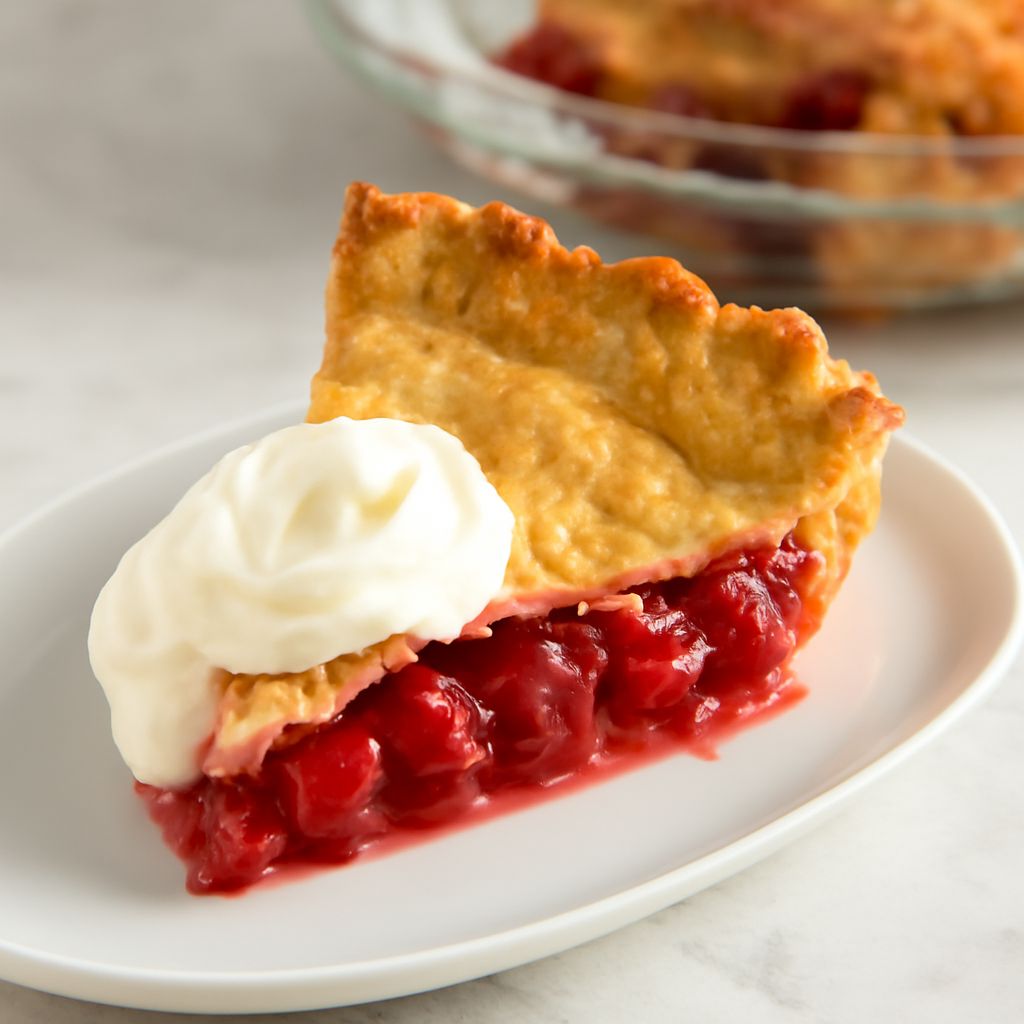
A conventional pastry uses water to bring flour and fat together; this version replaces some of that water with cold vodka, making a moist dough that can roll out tender. If your pastry tends to crack before it reaches the pan, a recipe for pie crust made with vodka is worth trying. We will use it for a double-crust apple pie, with clear signs to look for at each step.
Why put vodka in pie crust?
Flour proteins form gluten when mixed with water, and too much gluten development can make pastry tough. Vodka is a mixture of alcohol and water: its alcohol contributes liquid without developing gluten in the same way water does. In pie crust, vodka helps the dough come together while allowing you to use less water. Cold fat and gentle handling still matter, because they help produce separate, tender layers.
Some alcohol evaporates during baking, but you should not assume it all disappears. If you are serving someone who avoids alcohol, use a conventional all-water pastry recipe instead. Plain, unflavored 80-proof vodka is a practical choice here; flavored spirits can change the taste.
Vodka pie crust recipe for a double-crust apple pie
This vodka pie crust recipe makes enough pastry for a 9-inch double-crust pie. For a vegan celebration, use firm, stick-style plant-based butter and check the label; soft spreads have different water contents and may be difficult to work with. Cold dairy butter works as well. Measure the flour by weight if possible, or spoon it into the cup and level it without packing.
Ingredients for the pastry
- 2 1/2 cups (300 grams) all-purpose flour, plus more for rolling
- 1 teaspoon fine salt
- 1 tablespoon sugar
- 1 cup (2 sticks or 8 ounces) cold unsalted butter or firm plant-based butter, cut into small cubes
- 1/4 cup cold unflavored vodka
- 1/4 cup ice water, plus 1 tablespoon if needed
Apple filling
- 2 1/2 pounds firm baking apples, peeled, cored, and sliced about 1/4 inch thick
- 1/2 cup granulated sugar
- 3 tablespoons cornstarch
- 1 tablespoon lemon juice
- 1 teaspoon ground cinnamon
- A pinch of salt
- 1 tablespoon plant milk or dairy milk for brushing, optional
Use apples that hold their shape when baked, such as Granny Smith or a mixture of firm tart and sweet varieties. The cornstarch helps thicken their juices as the filling bubbles. Set the filling aside until the pastry has chilled and you are ready to assemble the pie.
Mix, chill, and roll
- Whisk the flour, salt, and sugar in a large bowl. Add the cold butter and toss to coat it. Cut it into the flour with a pastry cutter or your fingertips until the mixture resembles coarse crumbs with some pea-size pieces of fat.
- Mix the cold vodka and ice water. Sprinkle the liquid over the flour mixture and toss gently with a fork. The dough will look uneven and may feel a little moister than ordinary pastry. Squeeze a handful: it should hold together without leaving wet paste on your palm. If dry crumbs refuse to join, add the extra tablespoon of ice water a little at a time.
- Divide the dough in two. Press each portion into a disk without kneading, wrap tightly, and refrigerate for at least 1 hour. The chill firms the fat and gives the flour time to absorb the liquid. You can make the disks up to 2 days ahead and keep them refrigerated.
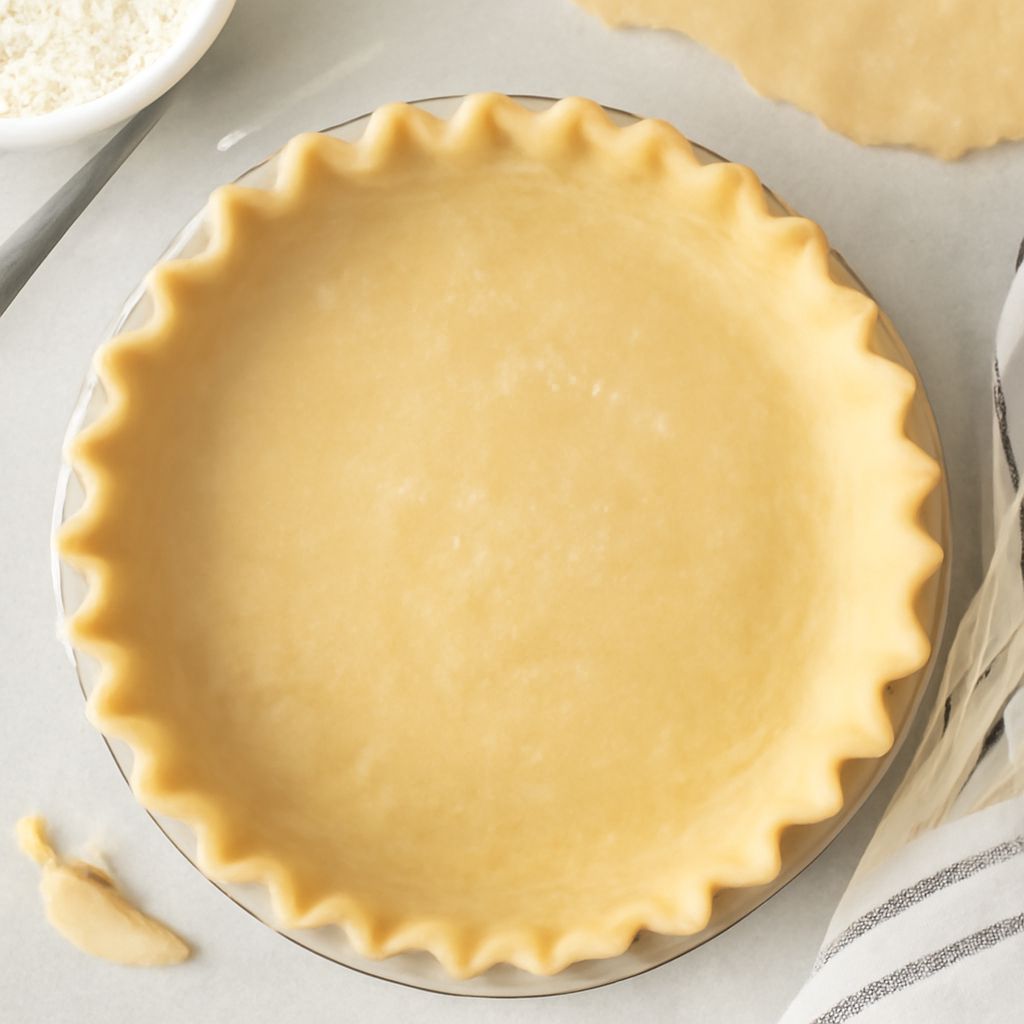
- Let one disk sit for 5 to 10 minutes if it is too firm to roll. On a lightly floured counter, roll from the center outward, turning the disk regularly, to a circle about 12 inches wide and 1/8 inch thick. Lift it into a 9-inch pie pan and ease it into the corners without stretching. Leave about 1 inch of overhang and chill while you prepare the second disk.
Vodka pie dough can be slightly tacky at first. A light dusting of flour and a turn of the disk between strokes will keep it moving; if it sticks badly or the butter softens, chill it for 15 minutes rather than working in a large amount of flour. Roll the second disk to a similar size for the top.
Fill and bake the pie
Toss the sliced apples with the sugar, cornstarch, lemon juice, cinnamon, and salt. Spoon them into the chilled shell, arranging the slices to avoid large gaps. Lay the top pastry over the filling, trim it to match the bottom overhang, and fold the edges together. Crimp with your fingers or a fork and cut several vents in the top. Brush lightly with milk if you like a more golden finish.
Chill the assembled pie for 20 minutes while the oven heats to 425°F. Set it on a rimmed baking sheet to catch drips. Bake for 20 minutes, then lower the oven to 375°F and bake another 40 to 50 minutes, until the crust is golden and juices bubble through the vents. Cover the rim loosely with foil if it browns before the center is ready. Let the pie cool for at least 3 hours so the filling can thicken before slicing.
For a different filling, use this pie crust recipe with vodka and follow the filling’s own baking instructions. A custard or cream filling may require a partially or fully blind-baked shell instead of a top crust. Keep any unused pastry tightly wrapped in the refrigerator for up to 2 days, or freeze it for up to 2 months and thaw overnight in the refrigerator.
A pie crust with vodka should feel soft enough to shape but cool enough that the fat remains in distinct pieces. If the rolled sheet tears and crumbles, let it sit briefly and press small cracks together; dry crumbs may need a few drops of water. If the vodka crust feels greasy or clings to the counter, refrigerate it until firm and try again with a light dusting of flour.