At one wedding, you might watch a couple exchange vows in a place of worship before an evening reception. At another, the ceremony and dinner may take place in the same backyard, with guests gathering around a friend who leads the proceedings. Both can include familiar wedding traditions from the United States, arranged to suit the people getting married.
Customs vary across families, communities, religions, and regions. Here’s a walk through traditions at weddings in America, with a few ways couples adapt them. If you’re attending as a guest, the invitation and the people hosting will give you the best clues about this particular celebration.
Wedding Traditions in America: Before the Ceremony
An invitation usually tells you when and where to arrive, how to respond, and sometimes what to wear. Reply by the requested date, including the names of those attending. If a meal choice is requested, make it then; a caterer cannot ask the salmon or the mushroom tart to prepare itself.
Among the traditions at American weddings, some couples hold a rehearsal and a meal for the wedding party and close family before the wedding. Others have a larger welcome gathering or skip these events. As a guest, attend the events to which you’re invited, and check the invitation or wedding website for details about gifts, transportation, and the schedule.
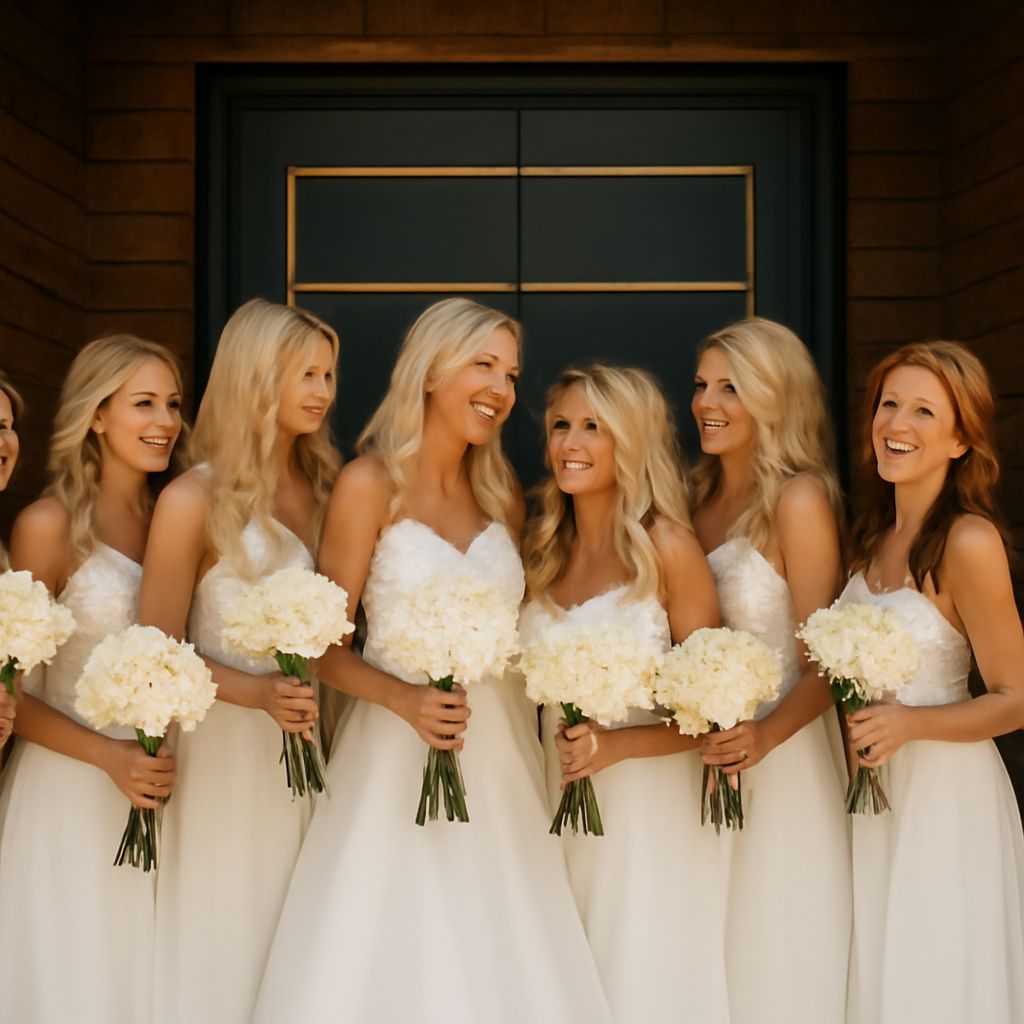
A traditional American wedding may have attendants, such as bridesmaids and groomsmen, who stand with the couple and help during the day. Couples can choose any mix of attendants, have just a few, or have none. The people walking down the aisle need not match in number, clothing, or relationship to the couple.
The Entrance, Vows, and Rings
At many ceremonies, guests take their seats before a processional: the entrance of the wedding party and the couple. One partner may walk in with a parent or another loved one, both partners may enter together, or each may walk alone. If you’re unsure where to sit, ask an usher or choose an open seat; some couples set aside the first rows for family.
An officiant leads the ceremony. Depending on the couple and setting, this person may be a religious leader, a civil official, or another person authorized to perform the marriage. The ceremony may include readings, music, prayers, or a moment honoring absent loved ones. These choices reflect the couple’s beliefs and relationships.
The vows are the promises the couple makes to each other. Some use established words; others write their own. Rings may be exchanged afterward as a visible symbol of commitment. The officiant then pronounces the couple married, and a kiss may follow. Guests often applaud as the couple leaves together in the recessional, the name for the exit at the end of the ceremony.
Many American wedding traditions are familiar from films, but the order and wording can change. If a program is provided, it can help you follow along; otherwise, the officiant will generally guide guests through any response or movement. When in doubt, take your cue from the people around you.
Between the Ceremony and Dinner
Guests may move to a cocktail hour while the couple takes photographs. Drinks and small bites are often served, including nonalcoholic choices. At some celebrations, the couple joins everyone immediately; at others, the reception begins later or in a different place. Check the schedule before wandering off to find a snack, however tempting the prospect.
Look for an escort card or a seating display if dinner has assigned tables. An escort card tells you which table to find; a place card at the table identifies a particular seat. Some receptions offer open seating. If you have a dietary need, share it when the hosts request that information rather than waiting until plates are being served.
Wedding traditions in America often include a formal entrance into the reception, with the couple announced to the room. A quieter arrival works just as well if they would rather greet people individually. Either way, guests can follow the host’s lead when it’s time to sit or welcome the couple.
Food, Toasts, and Dancing
Dinner might be plated, served family-style, offered at a buffet, or replaced by another kind of meal. Toasts often come from family members or attendants, though couples may invite different speakers or keep speeches brief. If you’re giving one, introduce yourself, share a specific kind memory, and offer a wish for the couple. A speech is a gift, and most gifts benefit from being easy to carry.
The first dance is another custom you may see. The couple dances together, sometimes followed by dances with parents or other loved ones. They might choose a lively song, invite everyone onto the floor halfway through, or skip formal dances. If dancing isn’t your pleasure, there’s usually room to talk, eat, and enjoy the music.
Among wedding traditions across America, a cake may be cut by the couple and served to guests. Dessert can just as easily be pie, a selection of sweets, or a vegan cake everyone can share. Some couples toss a bouquet or hold other playful activities; others leave them out. These American wedding customs are options for celebrating, not a test guests must pass.
The End of the Evening
A send-off may involve guests gathering outside to wave, clap, or hold something the venue permits. Some couples prefer a final song or a quiet goodbye as people leave. If there’s transportation, follow the departure instructions and thank your hosts when you get a chance.
Couples sometimes wonder whether they must include a particular ritual for the day to feel like a wedding. Choose the traditions that have meaning for you and fit your guests and setting; make the legal arrangements required where you marry, and let the rest reflect your own celebration. A wedding with traditional American touches can be entirely personal, down to the last slice of cake.


