For a cake crowned with glossy white swirls, a warm sugar-and-egg-white mixture can be beaten into a light, billowy topping. This cooked frosting spreads into soft peaks and has the sweetness of marshmallow without the richness of butter. Make the icing over simmering water, then beat it until it holds its shape; it is at its loveliest freshly made.
Boiled icing: what makes it light?
The mixture is warmed until the sugar dissolves and the egg whites reach a safe temperature, then beaten to trap air. The resulting foam is fluffy and glossy, with a texture quite different from a dense buttercream. Some versions use a separately cooked sugar syrup; this method heats the ingredients together over water before whipping.
An old fashioned boiled icing is a charming finish for coconut cake, chocolate layers, or a simple birthday cake. Its swirls make their own decoration, so a spoon or offset spatula is all you need. It is soft enough to spread but does not set into the hard, detailed shapes used for cookie decoration.
A cooked, whipped topping for one cake
This boiled frosting recipe makes enough to cover the top and sides of one two-layer 8-inch cake, depending on how generously you apply it. Have your cooled cake ready before you start: the topping spreads most easily soon after beating.
Ingredients
- 2 large pasteurized egg whites, about 1/4 cup
- 1 cup granulated sugar
- 1/4 cup water
- 1/4 teaspoon cream of tartar
- A small pinch of salt
- 1 teaspoon vanilla extract
You will need a heatproof bowl that fits over a saucepan, an electric mixer, and an instant-read food thermometer. The bowl should sit above the water without its base touching it. Use a bowl large enough for the mixture to expand as it is beaten.
Heat and whip
- Put an inch or two of water in the saucepan and bring it to a gentle simmer. Keep the heat low enough that the water does not splash into the bowl.
- Combine the egg whites, sugar, water, cream of tartar, and salt in the heatproof bowl. Set it over the simmering water and whisk constantly, scraping around the bottom and sides. Heat until the sugar has dissolved and the mixture reaches 160°F on an instant-read thermometer. Check in several spots without touching the bowl with the probe.
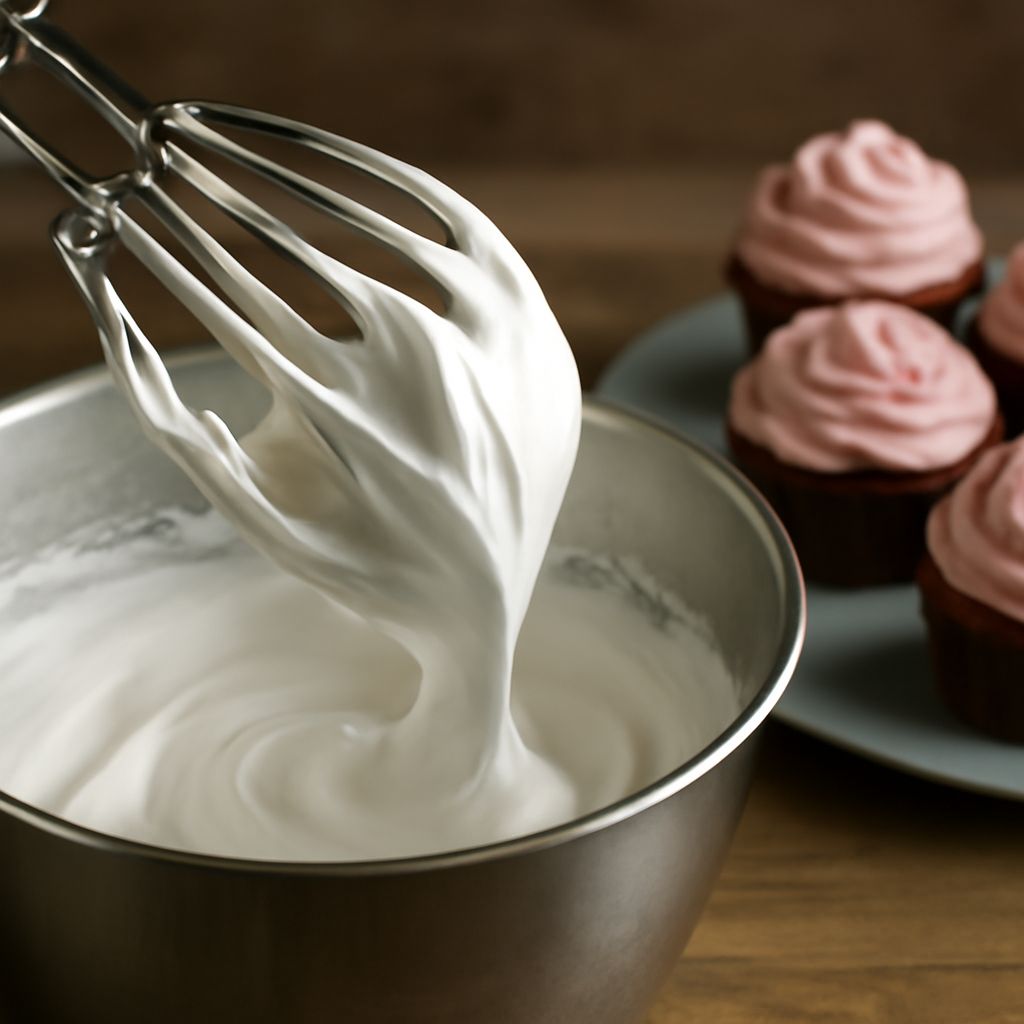
- Carefully remove the bowl from the saucepan and place it on a stable towel. Beat with an electric mixer on medium-high speed for about 5 to 8 minutes, until the mixture is thick, glossy, and much cooler. Add the vanilla near the end.
- Lift the beaters: the topping should form peaks that stand up with just a little curl at the tip. If it slides off in a thin ribbon, beat a little longer. Spread it over the cooled cake immediately, making generous swirls with the back of a spoon.
The thermometer is more reliable than a fixed heating time because bowls and burners vary. Keep whisking as the mixture warms so the whites heat evenly. A clean, grease-free bowl and beaters help the foam build; even a little fat can make whipping more difficult.
This boiled icing recipe contains egg, so it is not suitable for vegan guests. For a plant-based recipe for cooked icing, choose one developed for aquafaba, the liquid from cooked chickpeas, and follow its heating and whipping directions. Aquafaba behaves differently from egg whites, so a simple cup-for-cup swap in this formula may not produce the same result.
Compare it with buttercream and royal icing
Buttercream is usually made by beating butter or another fat with sugar. It is richer and generally better suited to smooth finishes, piped borders, and cakes that need a sturdy coating. A plant-based buttercream made with dairy-free fat is an option for vegan guests. It can feel heavier on the palate than the airy topping above, but it gives you more control over neat edges.
Royal icing is commonly made with powdered sugar and egg whites or meringue powder. It dries firm and is useful for piping fine details or coating cookies. Once dry, it has a very different bite from a soft cake covering. Vegan versions are available, including recipes made with aquafaba; check the ingredients if you are buying a mix.
Choose the cooked foam when you want a soft, dramatic finish to serve soon. Choose buttercream for a more substantial layer and defined piping, or royal icing for decorations that need to dry firm. A recipe for whipped, cooked frosting is especially appealing on a chocolate cake where the white swirls provide contrast.
Finish, serve, and store
Cool the cake completely before spreading. Warm cake can soften the topping and make it slide. If you are adding coconut, sprinkle it on while the surface is fresh so the flakes adhere. For a layer cake, spread a modest amount between the layers and save enough for the top and sides; the airy mixture is not as firm a support as buttercream.
Serve the cake soon after decorating for the fluffiest texture. Refrigerate leftovers promptly in a covered container and enjoy within two days. The topping may soften or weep as it stands, so plan your decorating as close to serving as practical. Keep the cake chilled during transport in warm weather.
For a festive finish, lift the back of your spoon straight up from the surface to make little peaks. You can also draw broad waves across the top and leave the sides simply swirled. Both approaches make use of the foam’s natural volume and avoid the pressure of producing perfectly smooth edges.
If the mixture remains thin and falls from the beaters, continue whipping until it cools and forms peaks; check that the bowl and beaters are free of grease. If it becomes grainy while heating, the sugar may not have dissolved evenly. For your next batch, whisk over gentle heat and check the temperature in several places before beating.