Few things satisfy like biting into a perfectly glazed doughnut. The glossy, sweet coating doesn’t just make your treats gorgeous—it delivers that all-important first taste and irresistible texture. Learning how to make glaze for donuts lets you create bakery-style glazed doughnuts straight from your own kitchen.
Homemade donut glaze is easy, quick, and uses simple ingredients you likely have at home. If you’ve ever wondered how to make doughnuts that taste as good as they look, this guide will walk you through everything: from the best donut glaze recipes to creative variations that’ll make your sweets unforgettable.
Why Donut Glaze Matters for Glazed Doughnuts
Donut glaze is more than just a finishing touch. It locks in moisture and gives your doughnuts their signature sheen and sweetness. Whether you love a thin, crisp coat or a rich, sugary layer, a good glaze can transform plain fried dough into something crave-worthy.
When you make glazed doughnuts at home, you control every detail. Adjust the thickness, sweetness, or flavor profile to suit your preferences. The best glazes complement the lightness of a yeast doughnut or the tender crumb of a cake variety without overpowering their flavor.
Perfecting how to make glaze for donuts also means you get to enjoy them at their freshest. There’s nothing like a doughnut, still warm, with glaze that gently cracks under your teeth. Plus, you can get creative—try infusing your glaze with real vanilla, citrus zest, or a hint of spice.
Ultimately, donut glaze is what brings glazed doughnuts to life. It’s a quick upgrade for homemade or even store-bought doughnuts, and mastering it means you’ll never settle for boring pastries again.
Essential Ingredients for Donut Glaze
The foundation of any classic donut glaze is simplicity: powdered sugar, liquid, and a touch of flavor. Most recipes start with powdered (confectioners’) sugar because it dissolves easily and creates a silky texture. About two cups of powdered sugar will produce enough glaze for a dozen doughnuts.
Next, you’ll need a liquid to thin your glaze. Milk is most traditional, lending a creamy richness, but water works just as well for a crisper finish. For dairy-free or vegan options, try unsweetened almond milk or oat milk. Start with two to three tablespoons and add more as needed to reach your desired consistency.
Flavor is where you can customize your donut glaze. A splash of pure vanilla extract adds warmth and depth. You can also use almond extract, lemon juice, or even maple syrup for a twist. If you want a chocolate glaze, add a tablespoon or two of unsweetened cocoa powder and a dash more liquid.
Salt is optional but recommended. A small pinch helps balance the sweetness and intensifies the overall flavor. If you want your glaze to set with a glassy finish, sift your powdered sugar first to avoid lumps and whisk thoroughly during mixing.
Step-by-Step: How to Make Glaze for Donuts
If you’re eager to learn how to make glaze for donuts, follow these easy steps for smooth, glossy results every time. First, sift two cups of powdered sugar into a medium bowl. Sifting ensures the glaze is lump-free and coats doughnuts evenly.
Add two tablespoons of milk (or alternative liquid) and one teaspoon of vanilla extract to your sugar. Whisk everything together vigorously. If the mixture is too thick, add additional liquid, a teaspoon at a time. The glaze should be pourable but thick enough to cling to a spoon.
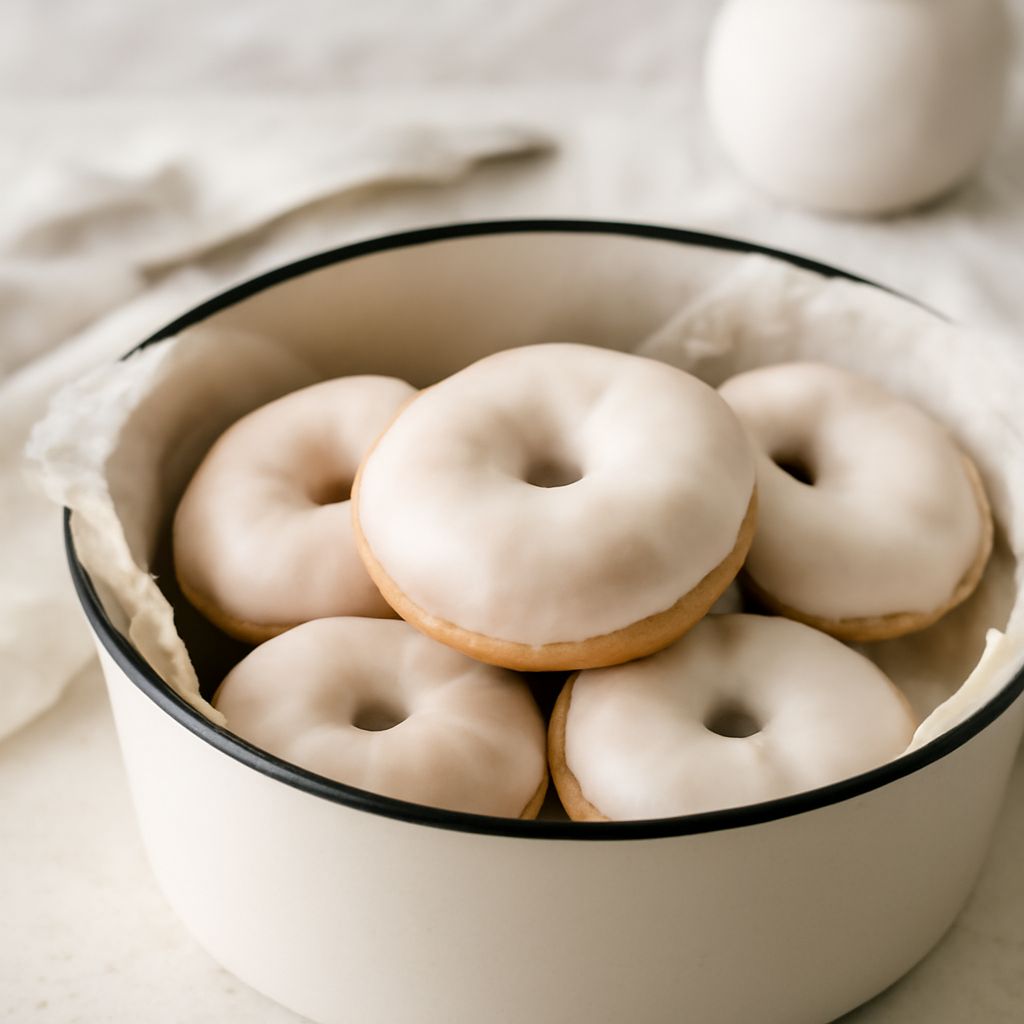
For the best glazed doughnuts, dip them while they’re still warm, but not hot. Hold each doughnut by its sides and lower it halfway into the glaze. Lift, let the excess drip off for a few seconds, then flip it right-side-up and set on a wire rack. The glaze will set in about 10–15 minutes, forming that classic crackly finish.
This method works for all types—yeast-raised, baked, or even cake doughnuts. With practice, you’ll learn how to make glaze for donuts that’s perfectly smooth, never gritty, and just the right sweetness to complement your homemade treats.
How to Make Doughnuts for Glazing
Before you dunk, you’ll need amazing doughnuts. Start with a reliable yeast-raised or cake doughnut recipe. For yeast doughnuts, let the dough rise until doubled, then roll and cut into rounds. Fry in oil at 350°F (about 175°C), turning once, until both sides are golden—typically 1–2 minutes per side. Drain well on paper towels while still warm.
Cake doughnuts use a thick batter, often with baking powder for lift. They can be fried or baked in special doughnut pans. Once they spring back lightly to the touch and a toothpick comes out clean, they’re ready for glazing. Baked varieties are great if you’re looking for a lighter version, and they absorb glaze beautifully.
When you want to make glazed doughnuts that rival your favorite bakery, focus on freshness. Glaze within five minutes of frying or baking for maximum shine and adherence. If making ahead, briefly warm doughnuts in the oven before glazing to help the coating set smoothly.
Don’t forget, a perfect donut glaze isn’t just for homemade treats. Use it to revive day-old doughnuts or even top cake, pastries, or muffins. The versatility of the glaze recipe extends well beyond doughnuts alone.
Creative Variations on Classic Donut Glaze
Once you master the basics, it’s time to play with flavors and colors. Swap a few tablespoons of milk for fresh-squeezed lemon or orange juice for a citrus glaze. Add a teaspoon of ground cinnamon or nutmeg for a warm-spiced finish—ideal for autumn.
Chocolate lovers can blend in cocoa powder and a touch of brewed coffee for a rich mocha glaze. For a berry twist, whisk in a spoonful of pureed strawberry or blueberry, adjusting the sugar to balance tartness. Bold colors? Stir in a drop or two of food coloring for festive appeal, or dust with sprinkles before the glaze sets for a kid-friendly treat.
The possibilities don’t end there. Try mixing in matcha powder, espresso, maple extract, or even a pinch of sea salt for a salted caramel glaze. Each variation uses the same basic technique, so you can confidently experiment as you refine your signature glazed doughnuts.
Each creative spin adds something special, whether you’re baking for a weekend brunch or a holiday celebration. Making your own donut glaze ensures you get exactly the taste and texture you crave, every single time.
Key takeaways: Homemade donut glaze is fast, versatile, and elevates any doughnut. With just a few ingredients, you can master how to make doughnuts that are bakery-worthy and endlessly customizable. Keep experimenting, and you’ll never run out of ways to enjoy perfect glazed doughnuts at home.